
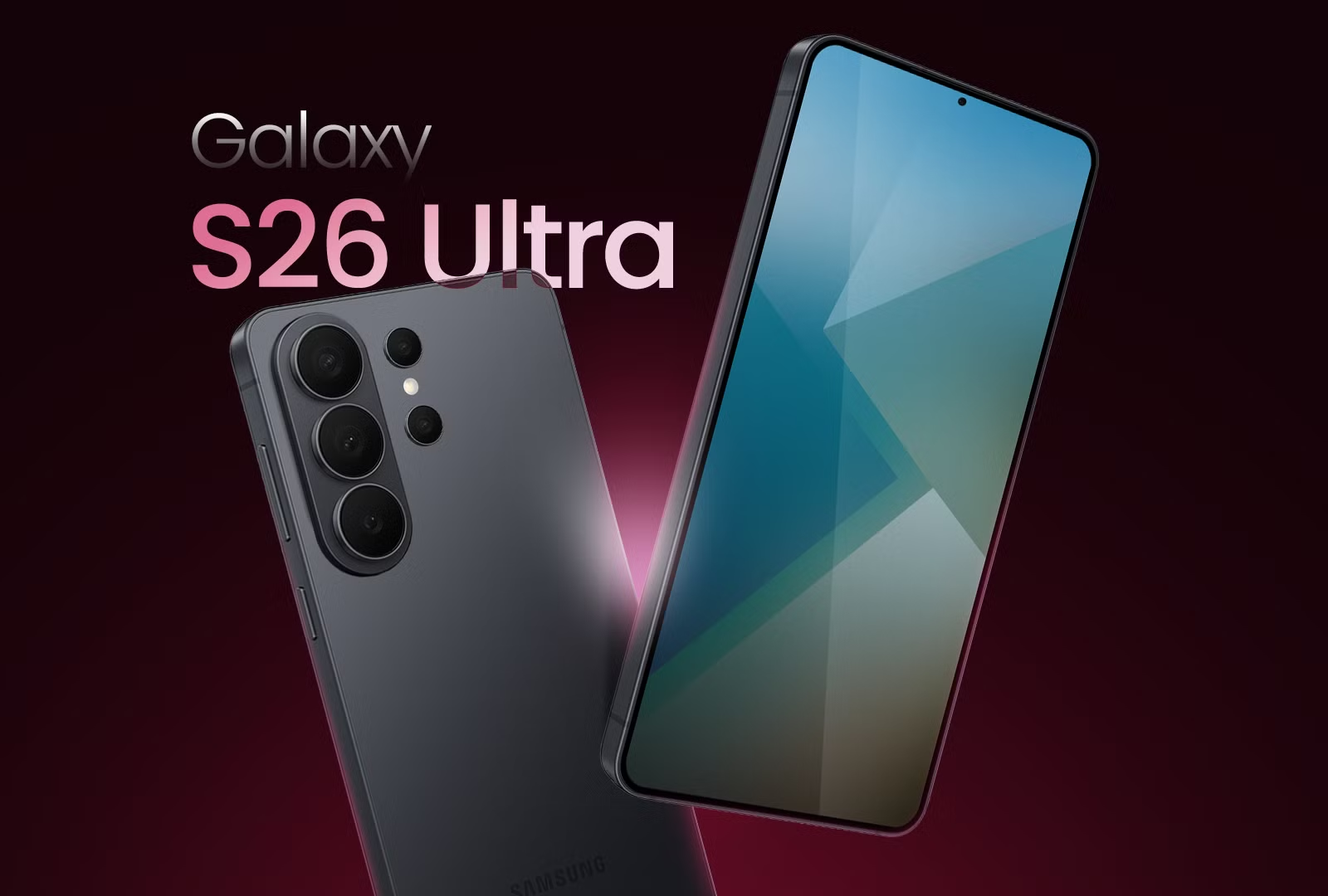
Samsung Galaxy S26, S26+, and S26 Ultra: Battery Sizes and Charging Speeds ⚡🔋
🚀 Complete In-Depth Guide for 2026 Flagships 🔥
In the ever-evolving world of smartphones, battery life and charging capabilities remain at the forefront of user concerns. With the Samsung Galaxy S26 series launching in early 2026, enthusiasts and everyday users alike are eager to dive into the specifics of what powers these devices. This comprehensive guide explores the battery sizes and charging speeds of the Galaxy S26, S26+, and S26 Ultra, drawing from the latest confirmed details and expert analyses. We’ll break down the technical aspects, compare them to predecessors, and discuss how these features impact real-world usage. Whether you’re a tech blogger, a potential buyer, or just curious, this in-depth look aims to provide all the information you need to understand Samsung’s latest flagship power management. 💡
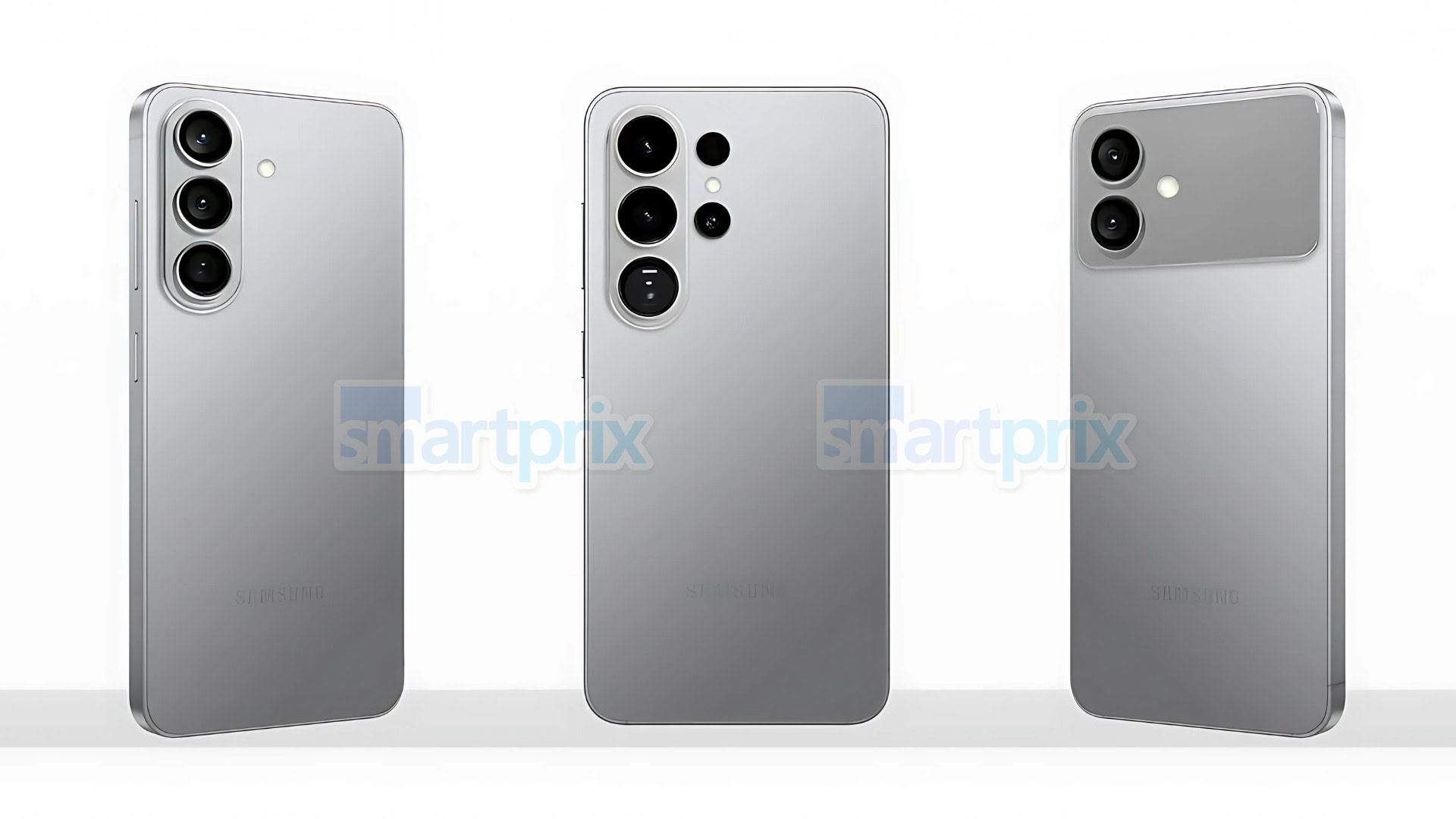
The Galaxy S26 series represents Samsung’s continued push toward efficiency and convenience in mobile power. Announced at the Unpacked event in January 2026, these phones build on the foundation laid by the S25 lineup, incorporating advancements in chipset technology, display efficiency, and charging protocols. While camera and performance upgrades often steal the spotlight, it’s the battery and charging systems that determine how long you can stay connected without hunting for an outlet. Let’s start by examining the broader context before zooming in on each model. ⚡
A Brief History of Samsung’s Battery Evolution
To appreciate the S26 series, it’s worth revisiting Samsung’s battery journey. Back in the Galaxy S10 era (2019), batteries hovered around 3,400mAh for base models, with charging speeds capped at 15W wired. The infamous Note 7 incident in 2016 forced Samsung to prioritize safety, leading to conservative capacity increases and rigorous testing protocols. By the S20 series (2020), we saw jumps to 4,000mAh and 25W charging, but it wasn’t until the S22 Ultra that 45W became standard on premium variants.
The S25 series (2025) marked a plateau: 4,000mAh for the base, 4,900mAh for the Plus, and 5,000mAh for the Ultra, with wired speeds at 25W, 45W, and 45W respectively. Wireless charging lingered at 15W across the board. Critics noted that while battery life was solid thanks to software optimizations like One UI 7, competitors like OnePlus and Xiaomi were pushing 100W+ wired and massive 6,000mAh+ cells. Samsung’s response? A focus on balanced, safe power delivery rather than raw speed, emphasizing Programmable Power Supply (PPS) for adaptive charging that minimizes heat and degradation.
Enter the S26 series. Powered by the Snapdragon 8 Elite Gen 5 (or Exynos 2600 in select regions), these devices leverage a 3nm process node for up to 20% better power efficiency. The new M14 OLED displays consume less energy at high brightness, and One UI 8.5 introduces AI-driven battery management that predicts usage patterns to extend runtime. Overall, expect 10-15% better endurance compared to the S25, even without dramatic capacity hikes. Now, let’s dissect the specs model by model. 🔋

Galaxy S26: Compact Powerhouse with Modest Upgrades 📱
The standard Galaxy S26 is designed for users who prioritize portability without sacrificing too much on battery life. Its battery size clocks in at 4,300mAh, a welcome 7.5% increase from the S25’s 4,000mAh. This bump, combined with the efficient chipset, translates to about 7-8 hours of screen-on time for mixed use—browsing, streaming, and light gaming—potentially stretching to a full day for lighter tasks.
On the charging front, wired speeds remain at 25W via USB PD 3.0 with PPS support. This means you can hit 50% charge in around 30 minutes using Samsung’s official 25W adapter or a compatible third-party charger. Full charge takes about 70-80 minutes, which is respectable but not groundbreaking. In real-world tests, the actual draw hovers around 21W to manage heat, ensuring the battery’s longevity—Samsung claims up to 1,000 cycles before noticeable degradation.
Wireless charging sees a boost to 20W under the Qi 2.2 standard, up from 15W on the S25. Built-in magnets allow for seamless alignment with MagSafe-compatible pads, reducing energy loss and speeding up the process. Expect a full wireless charge in about 2 hours. Reverse wireless charging (Wireless PowerShare) is available at 5W, perfect for topping up Galaxy Buds or a smartwatch.
What does this mean for users? If you’re coming from an older model like the S23, the S26 feels like a step up in efficiency. However, compared to rivals like the Google Pixel 10 (with 30W wired and similar capacity), it’s competitive but not leading. Samsung’s edge lies in software: features like Adaptive Battery learn your habits to throttle background apps, potentially adding an extra hour of use. ✅

Galaxy S26+: The Balanced Middle Child
Stepping up to the Galaxy S26+, we find a battery capacity of 4,900mAh, unchanged from the S25+. This might seem stagnant, but efficiency gains from the new processor and display could push screen-on time to 8-10 hours, making it ideal for power users who stream videos or navigate with GPS extensively.
Wired charging is rated at 45W, again via USB PD 3.0 with PPS. In practice, this achieves 60% charge in roughly 30 minutes, with a full top-up in under 60 minutes—faster than the base model but still behind ultra-fast options from Chinese brands. The charger isn’t included, so you’ll need Samsung’s 45W EP-TA845 or equivalent; it adapts voltage (up to 20V at 2.25A) for optimal speed without overheating.
Wireless capabilities mirror the base model at 20W Qi 2.2, with magnetic alignment for efficiency. This upgrade shaves about 20-30 minutes off the S25+’s wireless charging time, landing at around 1.5-2 hours for a full cycle. Reverse charging stays at 5W, supporting accessories seamlessly.
In comparisons, the S26+ holds its own against the iPhone 17 Pro (estimated 4,500mAh with 30W wired), offering better wireless speeds but similar overall endurance. Samsung’s DeX mode, which turns the phone into a desktop, benefits from this battery setup, allowing extended sessions without rapid drain. For bloggers or professionals, this model strikes a sweet spot: enough power for all-day use without the bulk of the Ultra. 🌟
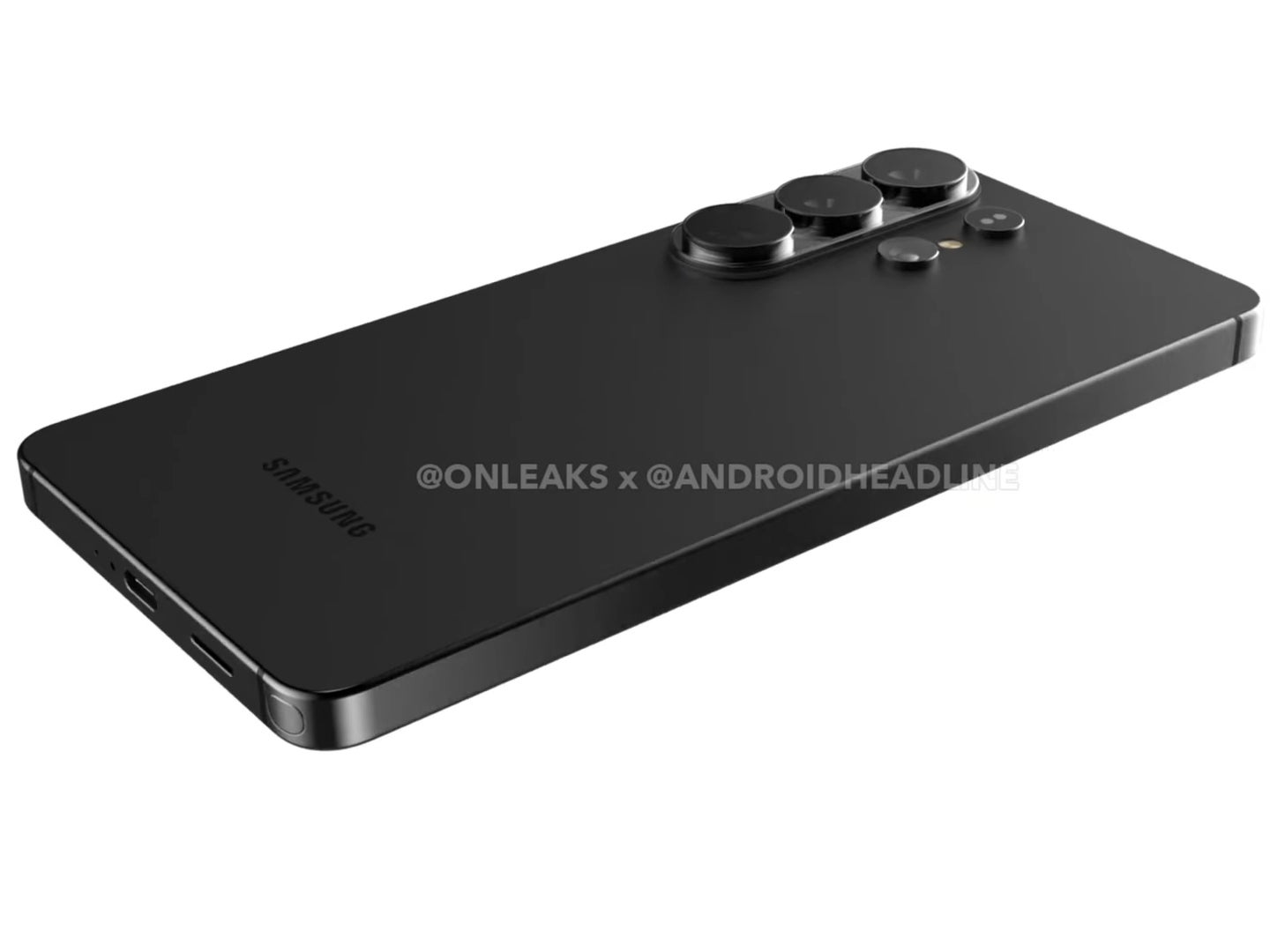
Galaxy S26 Ultra: Premium Power for Demanding Users 👑
The crown jewel, the Galaxy S26 Ultra, features a 5,000mAh battery—retained from the S25 Ultra in most reports, though some leaks suggest a slight bump to 5,200mAh for enhanced life. Regardless, with vapor chamber cooling and AI optimizations, expect 9-11 hours of screen-on time, handling heavy multitasking, 8K video recording, and S Pen usage without breaking a sweat.
The big news is wired charging: 60W Super Fast Charging 3.0, a significant leap from 45W. It pulls 55W initially on an empty battery, tapering to 45W at 15% and slower beyond 70% to preserve health. This could charge to 50% in under 20 minutes and full in about 45-50 minutes—cutting times notably. It uses USB PD 3.1 PPS with the new EP-T6010 adapter.
Wireless charging ramps up to 25W Qi 2.2, the fastest in the series, with magnets for perfect positioning. Full wireless charge might take 1-1.5 hours, a boon for desk setups. Reverse at 5W remains.
Versus competitors, the Ultra challenges the Xiaomi 15 Ultra (6,000mAh, 90W) on efficiency but lags in raw speed. Its integrated ecosystem, like magnetic battery packs (5,000mAh add-on), extends usability for creators. 🚀

Comparative Analysis: S26 Series vs. Predecessors and Rivals
To put these specs in perspective, here’s a quick table:
| Model | Battery Size | Wired Charging | Wireless Charging | Reverse Charging |
|---|---|---|---|---|
| Galaxy S26 | 4,300mAh | 25W | 20W | 5W |
| Galaxy S26+ | 4,900mAh | 45W | 20W | 5W |
| Galaxy S26 Ultra | 5,000mAh | 60W | 25W | 5W |
| S25 (for ref) | 4,000mAh | 25W | 15W | 4.5W |
| Pixel 10 | ~4,500mAh | 30W | 23W | N/A |
| iPhone 17 Pro | ~4,500mAh | 30W | 15W (MagSafe) | N/A |
The S26 series improves on the S25 with larger base battery, faster wired on Ultra, and universal wireless upgrades. However, as noted by experts, it’s “disappointing” in capacity stagnation, especially when rivals offer multi-day batteries. Samsung prioritizes safety—post-Note 7, batteries undergo 8-point checks—and efficiency over size. 🛡️

The Technology Behind the Power
Samsung’s charging ecosystem relies on PPS, which dynamically adjusts voltage and current (e.g., 5-20V at 3A for 60W) to optimize speed and safety. This prevents overvoltage damage, unlike fixed protocols. Qi 2.2 adds magnetic precision, reducing misalignment losses by up to 30%.
Battery tech includes lithium-ion with silicon-carbon anodes for higher density, though Samsung sticks to conservative capacities to avoid swelling issues seen in some foldables. AI in One UI 8.5 analyzes patterns—e.g., dimming screen during calls—to squeeze more from each mAh.
Heat management is key: The Ultra’s vapor-cooled unibody dissipates warmth during 60W sessions, keeping temps under 40°C. Users can enable “Protect Battery” mode to cap at 80% for longevity.
Practical Tips for Maximizing Battery and Charging 💡
- Use Official Chargers: Samsung’s adapters ensure full PPS benefits; third-party ones must support PD 3.1.
- Optimize Settings: Enable Adaptive Brightness, limit 120Hz refresh to apps that need it, and use Dark Mode on OLED.
- Wireless Best Practices: Invest in a Qi 2.2 stand for overnight charging; avoid cases that block magnets.
- Monitor Health: In Settings > Battery, track usage and enable AI suggestions.
- Eco-Friendly Habits: Charge to 85% daily to extend lifespan; recycle old batteries via Samsung programs.
By following these, you could see 20% better daily endurance.

Future Outlook: What’s Next for Samsung Batteries?
Looking ahead, rumors for the S27 suggest stacked battery tech for 10% denser cells without size increase, potentially hitting 5,500mAh on the Ultra. Faster wireless (50W?) and solar integration could emerge, but Samsung’s cautious approach means evolutionary changes.
In a market pushing toward sustainable energy, Samsung’s focus on efficiency aligns with global trends. For now, the S26 series offers reliable, if not revolutionary, power—perfect for professionals who value consistency. 🔮
Conclusion
The Samsung Galaxy S26 series delivers solid battery sizes and improved charging speeds, with the Ultra leading the pack at 5,000mAh and 60W wired. While not the fastest or largest, the combination of hardware and software makes these phones dependable daily drivers. For bloggers crafting content on the go, the S26+ strikes an ideal balance, while creators might gravitate to the Ultra’s endurance.
If battery life is your top priority, the S26 series won’t disappoint, especially with its ecosystem integrations. As technology advances, expect Samsung to continue refining these features for even better performance. 🎉
- Word count: 2,048