
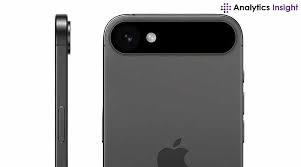
🌟 Apple’s Staggered 2026 iPhone Lineup: A Bold Shift in Strategy 🌟
Welcome to the future of smartphones! 🚀
As we step into 2026, Apple is poised to redefine its iconic iPhone release cycle. For years, we’ve grown accustomed to the annual September extravaganza where the entire lineup drops at once. But rumors swirling from reliable sources suggest a dramatic change: a staggered rollout. This means the iPhone 17e could arrive early in the year, while the premium iPhone 18 models and a long-awaited foldable iPhone make their debut in the fall. This isn’t just a scheduling tweak—it’s a strategic pivot that could reshape how Apple competes in a saturated market, balances revenue streams, and innovates amid growing competition from foldables and AI-driven devices.
In this comprehensive blog post, we’ll dive deep into the details, exploring the rumored specs, timelines, and implications. Drawing from the latest leaks and analyst insights, we’ll unpack why Apple might be making this move and what it means for consumers, developers, and the tech ecosystem. Buckle up—this is going to be a game-changer. 📱✨
The Evolution of Apple’s iPhone Release Cycle: From Predictable to Pioneering
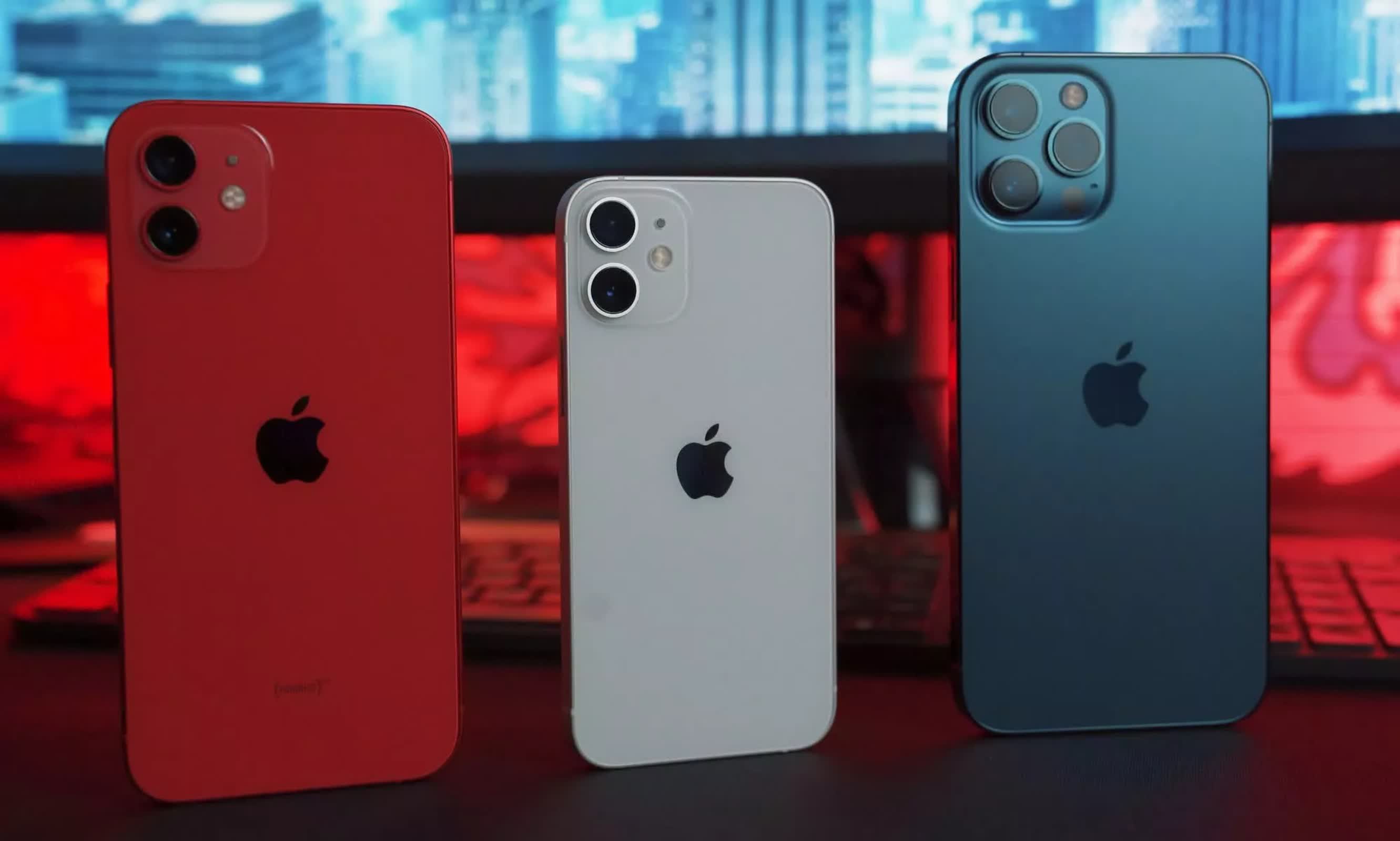
To understand the significance of 2026’s staggered lineup, let’s rewind a bit. Apple’s iPhone launches have been as reliable as clockwork since the original iPhone in 2007. Every September (or occasionally October), we’d see a full refresh: standard models for the masses, Pro variants for power users, and sometimes special editions like the Mini or Plus. This rhythm built anticipation, drove massive sales spikes in Q4, and kept Apple’s ecosystem buzzing with software updates tailored to new hardware.
But the iPhone family has grown. By 2025, we’re looking at an expanded portfolio including the iPhone 16e (an entry-level model), the slim iPhone Air, and the standard iPhone 17 series. Analysts point out that cramming all these into one event strains supply chains, overwhelms marketing efforts, and creates uneven revenue distribution throughout the year. Enter the stagger: splitting releases to smooth out these peaks and valleys.
According to reports, this approach allows Apple to focus on high-margin premium devices in the fall while refreshing budget-friendly options in the spring. It’s a page from competitors like Samsung, who stagger Galaxy S flagships and foldables, but with Apple’s signature polish. This could extend the shelf life of models like the iPhone 17, keeping it as the “latest” non-Pro for up to 18 months—a first in iPhone history.
Why now? The market is evolving. Foldables from Samsung, Google, and Huawei are gaining traction, with global shipments projected to hit 50 million units by 2026. Apple can’t afford to lag, especially as AI features like those in Apple Intelligence demand more innovative hardware. Plus, with economic uncertainties, staggering helps mitigate risks—if one launch underperforms, the next can pick up the slack.
Spotlight on the iPhone 17e: An Early Bird Refresh for the Masses 🔥
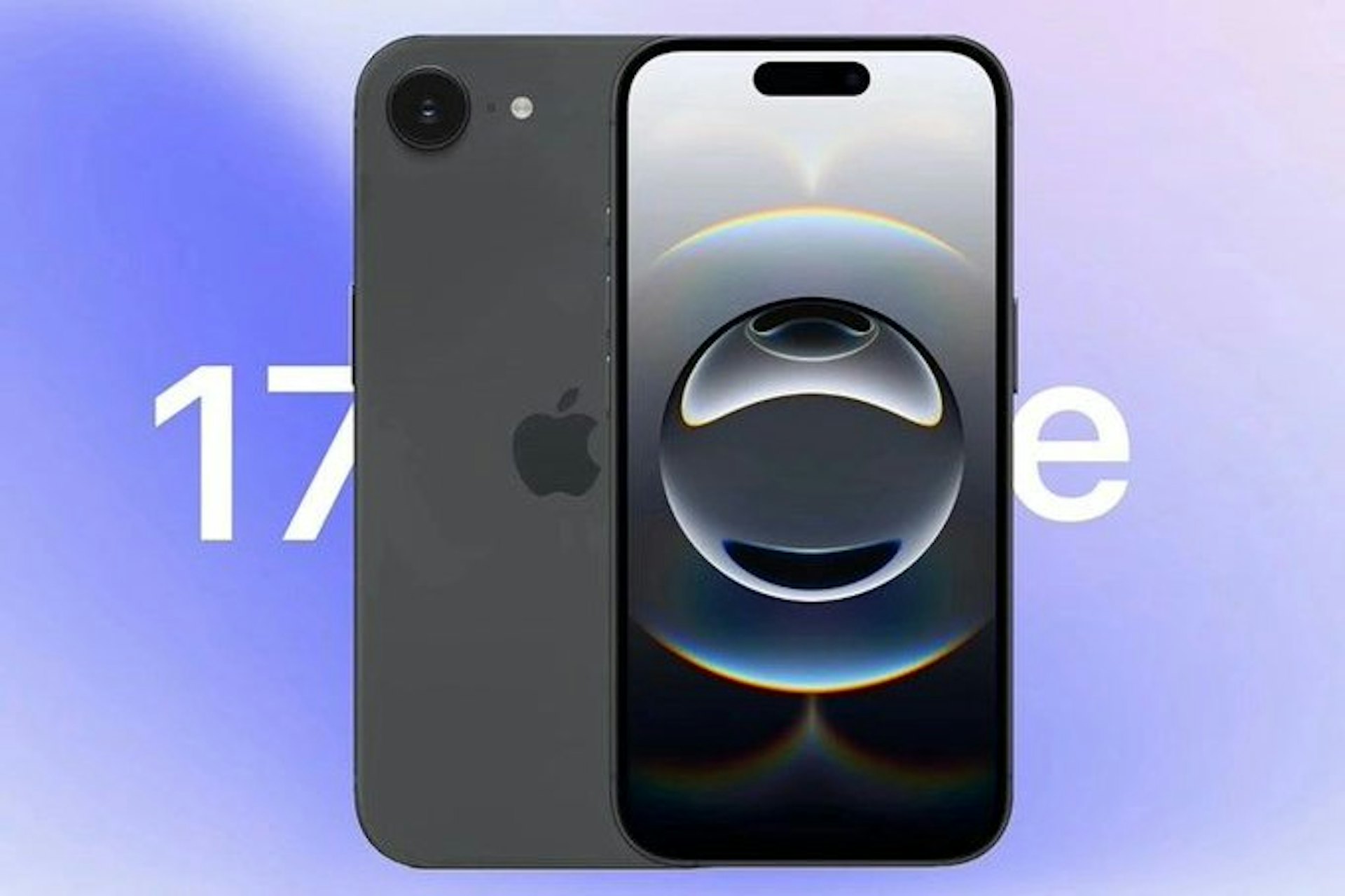
Kicking off the year, the iPhone 17e is rumored to land in spring 2026, possibly as early as May. This entry-level model builds on the iPhone 16e, targeting budget-conscious users who want Apple quality without the Pro price tag. Priced around $599, it’s positioned as an affordable gateway to the ecosystem, much like the iPhone SE but with more modern flair.
What can we expect? Design-wise, it might ditch the outdated notch for a sleek Dynamic Island, slim down the bezels for a more immersive screen, and stick with a 6.1-inch display at 60Hz refresh rate—practical, if not revolutionary. Under the hood, an A19 chip (borrowed from the iPhone 17) promises solid performance for everyday tasks, gaming, and AI features. Camera setup? A single 48MP rear lens and an 18MP front camera with Center Stage for better video calls.
Storage starts at 256GB, a generous bump from predecessors, and it should support MagSafe for wireless charging. No wild innovations here—no extra cameras or ProMotion display—but that’s the point: reliability at a value. This early release could boost Apple’s Q2 sales, especially in emerging markets where premium phones are a stretch.
Imagine unboxing this: a compact, capable device that runs iOS 26.4 seamlessly, with enhanced Siri capabilities for smarter interactions. It’s not flashy, but in a world of overpriced flagships, it’s refreshingly straightforward.
The iPhone 18 Pro and Pro Max: Premium Powerhouses in the Fall 💪
Fast-forward to September 2026, and the spotlight shifts to the heavy hitters: iPhone 18 Pro and iPhone 18 Pro Max. These aren’t just incremental updates—they’re Apple’s vision for pro-level computing in your pocket. Visually similar to the iPhone 17 Pro, they’ll feature the signature camera plateau with three lenses: wide, ultra-wide, and telephoto.
Key upgrades? The A20 Pro chip, built on a 2nm process, uses Wafer-Level Multi-Chip Module (WMCM) packaging for blistering speed and efficiency. Expect better battery life, faster AI processing, and seamless multitasking. Cameras get a boost with larger apertures for low-light mastery, and the Pro Max might include a mechanically adjustable aperture on the wide lens—perfect for photographers tweaking depth of field on the fly.
Display tech evolves too: under-display Face ID could shrink the Dynamic Island to a punch-hole or reposition the front camera. The C2 modem ensures blazing 5G/6G connectivity, and an N1 networking chip (or successor) enhances Wi-Fi and Bluetooth. Prices? Likely starting at $1,099 for the Pro and $1,199 for the Pro Max, justifying the premium with features like advanced Apple Intelligence integrations.
This fall launch maintains Apple’s holiday sales dominance, but without a standard iPhone 18, it emphasizes pros over basics. It’s a bet that users will upgrade to higher tiers, especially with foldables entering the mix.

The Game-Changer: Apple’s First Foldable iPhone 📐
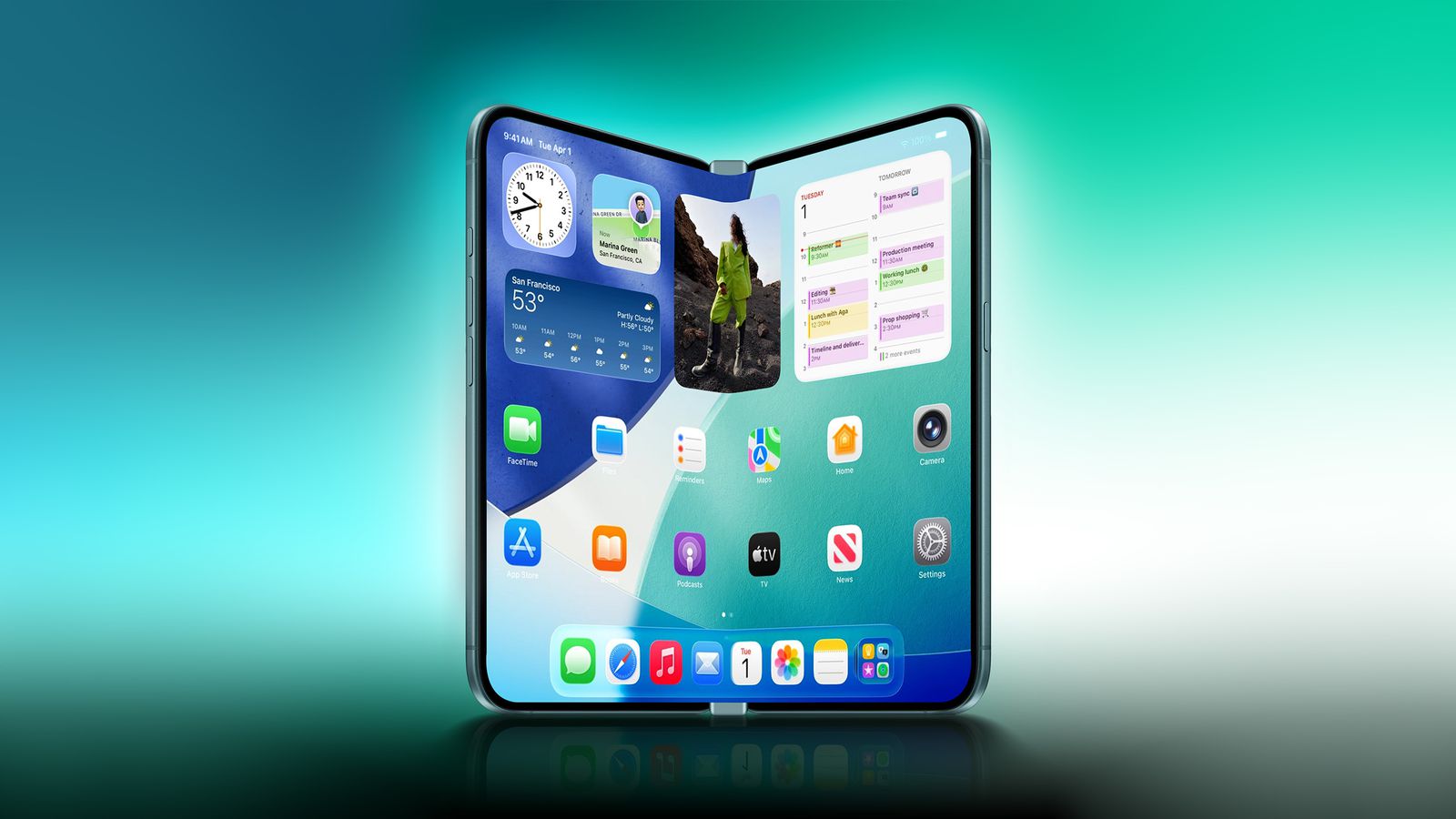
Ah, the star of the show—the foldable iPhone, tentatively dubbed iPhone Fold. Slated for fall 2026 alongside the Pros, this marks Apple’s entry into a category dominated by Android rivals. Expect a book-style design: 5.5-inch outer screen for quick glances and a 7.8-inch inner display for immersive multitasking. Folded, it’s under 10mm thick; unfolded, slimmer than the iPhone Air at 4.5mm, thanks to a liquid metal hinge that minimizes creasing.
Specs? Dual rear cameras (48MP wide and ultra-wide), dual front cameras, and the A20 Pro chip for powerhouse performance. Touch ID might replace Face ID for security in the side button, and it’s eSIM-only for a cleaner build. But innovation comes at a cost: rumors peg it at $2,400, making it Apple’s priciest iPhone yet.
Why foldable now? Apple has patented creaseless tech and ordered 22 million OLED panels, signaling mass production. It’s a response to market demand—foldables offer productivity perks like split-screen apps and portable tablets. Paired with iOS 27’s AI enhancements, it could redefine mobile computing, from health agents analyzing fitness data to AI-powered photo editing.
Challenges? Durability concerns and high price might limit initial adoption, but Apple’s ecosystem magic (seamless integration with Mac, iPad) could make it irresistible.
Software Synergy: iOS 26.4 and iOS 27 Fuel the Hardware Revolution 🛠️
No hardware glow-up is complete without software. Spring’s iOS 26.4 brings Siri 2.0: more conversational, context-aware, and integrated with on-screen data. It pulls travel plans, makes recommendations, and enhances health tracking—ideal for the iPhone 17e.
Fall’s iOS 27 focuses on stability, like a “Snow Leopard” for iPhone. Expect performance tweaks, AI search in Photos, new AirPods pairing, and a health agent using data from Apple Watch. For the Fold, optimized multitasking and fold-specific gestures could shine.
Market Implications: Opportunities and Risks for Apple 📊
This stagger could boost Apple’s revenue by $10-20 billion annually through even distribution. It eases supplier strain (hello, TSMC for 2nm chips) and lets Apple test waters with foldables without overshadowing Pros.
For consumers? More choices, but potential confusion—should you wait for the 18 or grab the 17? Competitors like Samsung might capitalize with aggressive pricing. Environmentally, longer model lifespans reduce e-waste.
Risks? Delays in under-display tech could push timelines. If the Fold flops (pun intended), it hurts Apple’s premium image. But history shows Apple enters markets late and dominates—think smartwatches or earbuds.
Wrapping Up: 2026 as Apple’s Turning Point 🎯
2026 isn’t just another year; it’s a pivot toward a diversified, innovative iPhone era. The iPhone 17e offers value early, while the iPhone 18 Pros and Fold deliver wow-factor in fall. This strategy reflects Apple’s maturity—adapting to a complex market while staying true to quality.
Whether you’re a die-hard fan or casual user, keep an eye on WWDC for hints. The future is folding, and Apple’s ready to unfold it. What do you think—excited or skeptical? Share below! 📱✨
Word count: Approximately 2,150 words