

Apple’s Massive Product Purge: Over 25 Devices Discontinued in 2025 – What It Means for Tech Enthusiasts and the Future of Innovation

As we wrap up 2025, Apple has once again demonstrated its relentless drive for evolution by discontinuing a staggering lineup of over 25 devices and accessories. This year’s cull spans iconic iPhones, powerful Macs, versatile iPads, and essential wearables, signaling a bold shift toward newer, more efficient technologies. From the sleek MacBook Air M3 to the feature-packed iPhone 16 Pro, these discontinuations aren’t just about clearing shelves—they reflect Apple’s strategy to streamline its ecosystem, push boundaries with cutting-edge chips like the M5 and A17, and encourage users to embrace the latest advancements in AI, battery life, and performance. For consumers, this means bidding farewell to familiar favorites while welcoming enhanced capabilities that redefine daily tech interactions. But why now, and what does it imply for the market? Let’s dive deep into the full list, the reasons behind these moves, and the broader implications in this comprehensive exploration.
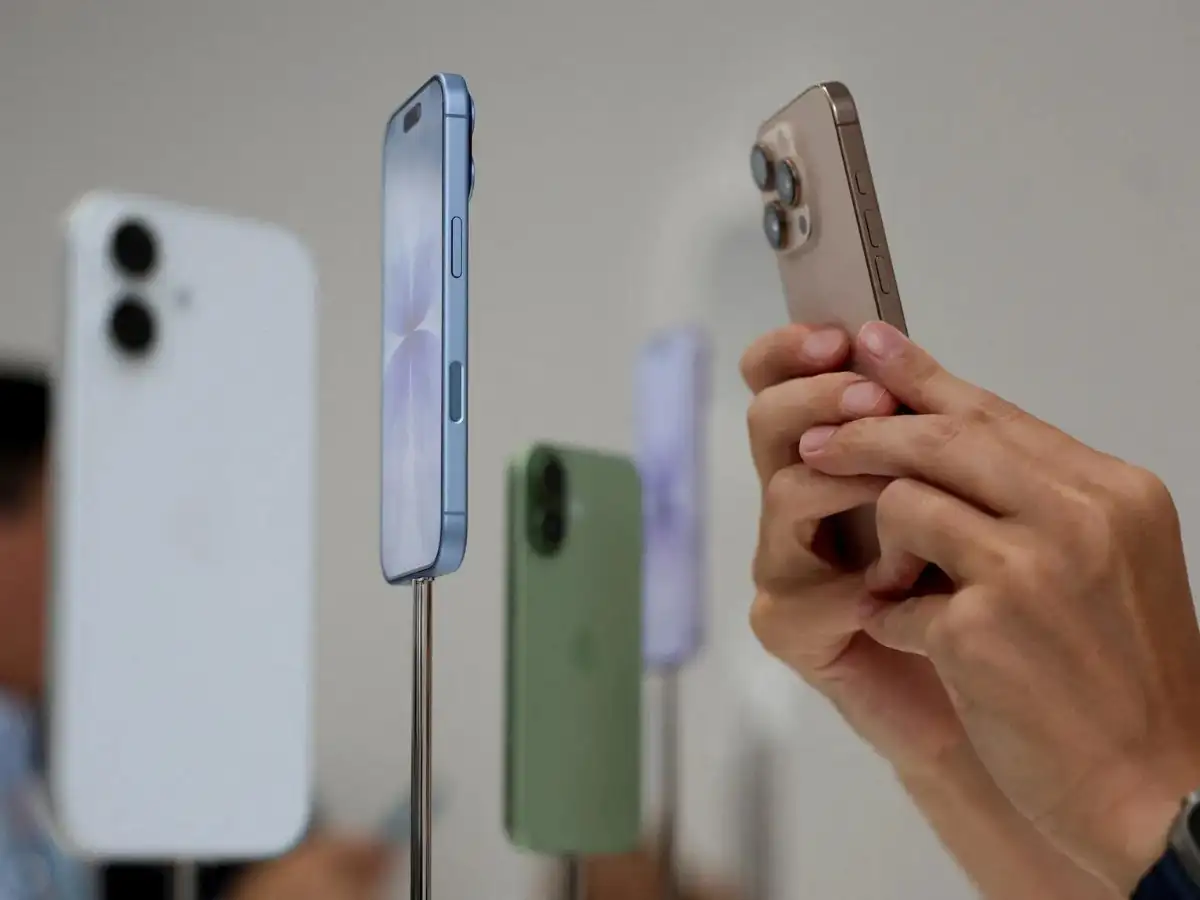
In a year marked by groundbreaking releases like the iPhone 17 series and M5-powered Macs, Apple’s discontinuation list underscores a pattern: out with the old to make way for the innovative. According to industry reports, this purge isn’t arbitrary; it’s a calculated effort to focus on sustainability, reduce manufacturing complexity, and ensure long-term software support for newer models. This approach has been Apple’s hallmark since its early days, but 2025’s scale—surpassing previous years—has sparked debates among users about upgrade cycles, environmental impact, and value retention.
The Full List of Discontinued Apple Devices in 2025
Apple’s 2025 discontinuations total around 23 to 25 items, depending on how accessories are counted, with most being direct replacements for upgraded models. Here’s a categorized breakdown, complete with details on why each was phased out and what replaces them where applicable. I’ve included key specs and user impacts to give you a clear picture.
📱 iPhones: Saying Goodbye to Seven Models
Apple’s iPhone lineup saw the most dramatic changes, with seven models axed to simplify options and prioritize premium features.
- iPhone 16 Pro Max – This 6.9-inch powerhouse, launched in 2024 with the A18 Pro chip, triple-camera system (48MP main, ultra-wide, and telephoto), and up to 1TB storage, was discontinued to pave the way for the iPhone 17 Pro Max. The new model boasts an even more advanced A19 chip, improved AI photography, and longer battery life. Users loved its ProMotion display and video capabilities, but discontinuation means limited stock for repairs after a few years.
- iPhone 16 Pro – Similar to its Max sibling, this 6.3-inch variant featured the same A18 Pro processor and camera setup but in a more compact form. Replaced by the iPhone 17 Pro, which introduces slimmer bezels and enhanced neural engine performance. Discontinuation affects those seeking mid-sized pros without the latest bells and whistles.
- iPhone 15 Plus – The 6.7-inch model from 2023 with A16 Bionic, dual cameras, and all-day battery was dropped without a direct successor, as Apple phases out the “Plus” line to focus on standard, Pro, and mini/SE alternatives. This move streamlines choices but leaves big-screen budget seekers turning to older stock or competitors.
- iPhone 15 – The base 6.1-inch iPhone 15, known for its USB-C port transition and improved cameras, joins the discontinued list. No replacement, emphasizing Apple’s push toward Pro models for mainstream users.
- iPhone 14 Plus – This 2022 release with A15 Bionic and larger battery was axed to reduce overlap in the mid-range segment.
- iPhone 14 – The standard iPhone 14, a reliable daily driver with crash detection and satellite SOS, is now history, forcing upgrades for continued iOS support.
- iPhone SE (3rd Gen) – Apple’s affordable compact phone with A15 chip and 4.7-inch display was entirely discontinued, succeeded by the new iPhone 16e. This shift ends the SE era, introducing a modern design with better cameras and 5G enhancements.
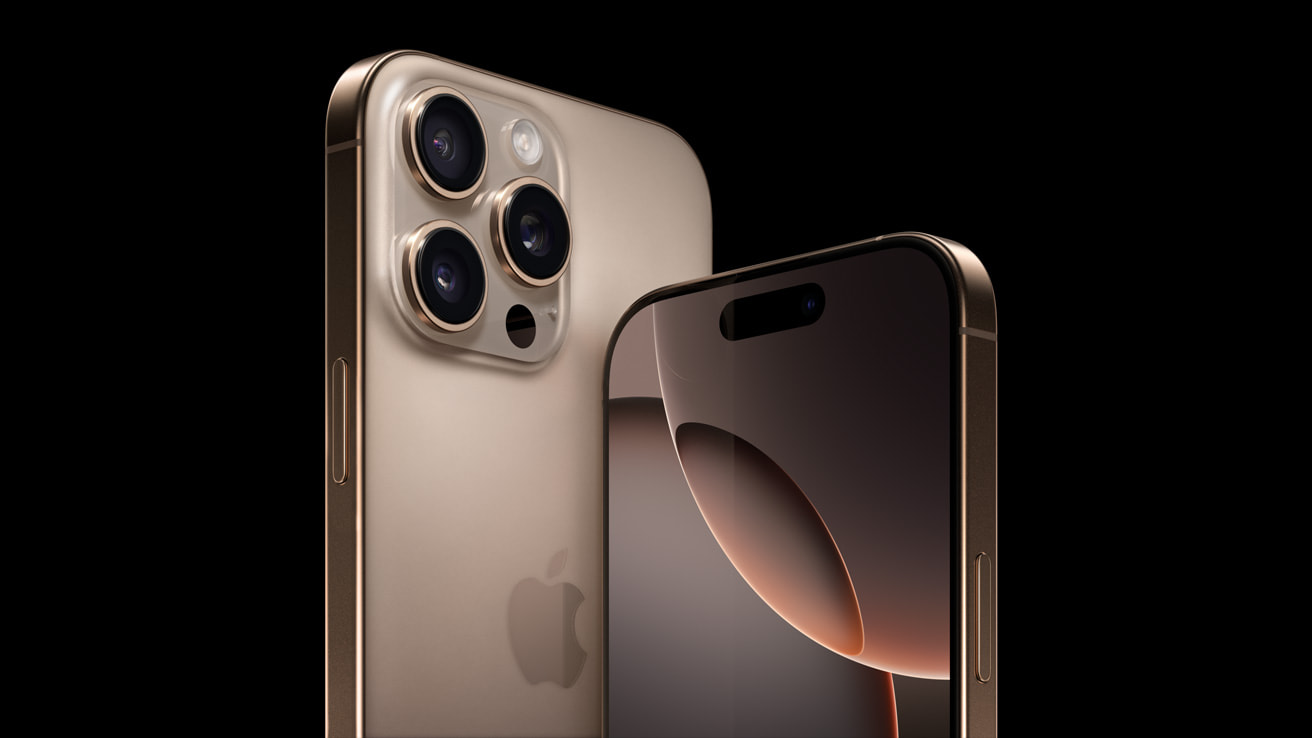
These iPhone discontinuations highlight Apple’s strategy to shorten product lifecycles, typically 2-3 years, to integrate newer tech like advanced AI and sustainable materials. For users, it means potential value drops in resale markets but access to more capable devices.
💻 Macs: Five Powerhouses Retired
Apple’s Mac segment focused on chip upgrades, discontinuing models to unify around M4 and M5 silicon.
- Mac Studio (M2 Max and M2 Ultra) – The desktop beast for pros, with up to 192GB RAM and 8TB storage, was replaced by M4 Max and M3 Ultra versions. New models offer superior graphics and efficiency for video editing and 3D rendering.
- 14-inch MacBook Pro (M4 Chip) – Launched recently but quickly updated to M5 for faster neural processing and Thunderbolt 5 support. Discontinuation ensures pros get the latest for demanding workflows.
- 13-inch and 15-inch MacBook Air (M3 Chip) – These fanless laptops with stunning Retina displays and up to 18-hour battery were swapped for M4 variants, improving multitasking and AI features like real-time transcription.
- 13-inch MacBook Air (M2 Chip) – The older M2 model, praised for portability, was fully phased out without a direct low-end replacement, pushing users toward M3 or higher.
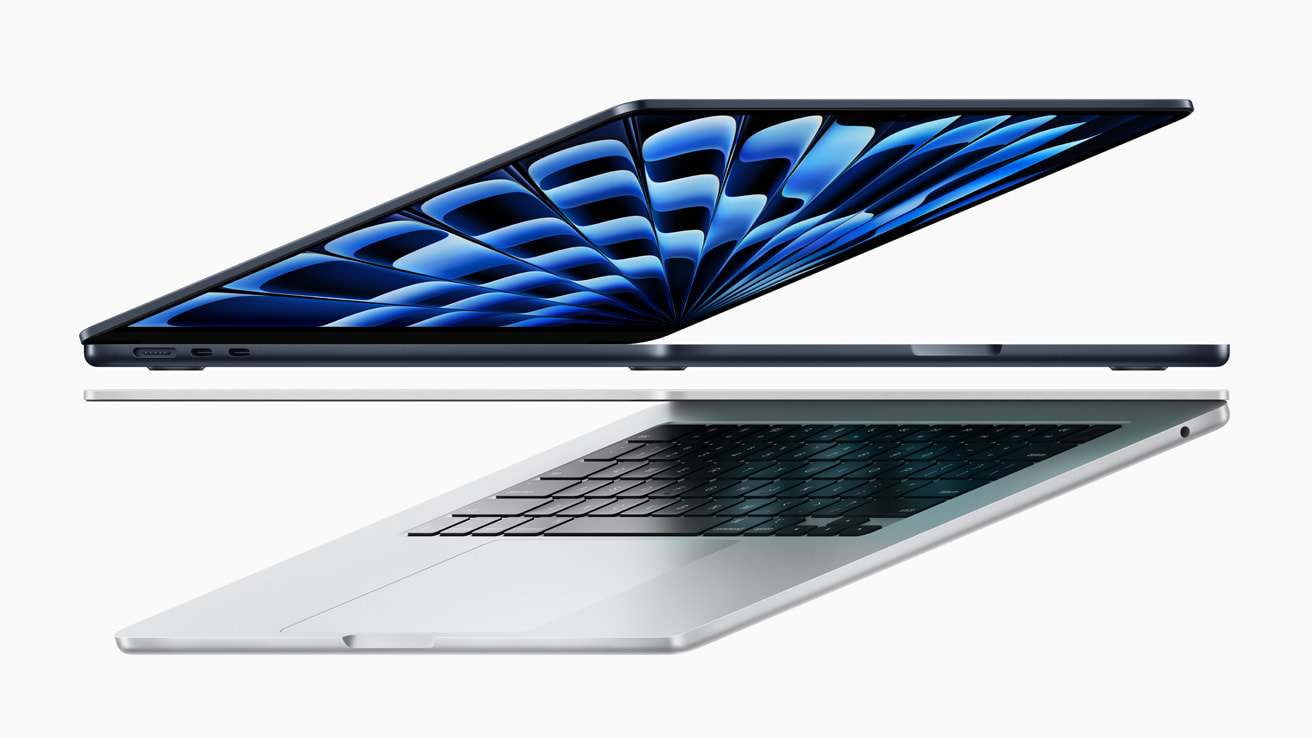
This purge in Macs reflects Apple’s silicon transition success, started in 2020, now accelerating to keep pace with AI demands. Environmental note: Discontinued models may see reduced part availability, urging timely repairs.
⌚ Apple Watches: Three Models Clock Out
Wearables got a refresh to incorporate better health sensors.
- Apple Watch Ultra 2 – The rugged adventurer’s watch with 49mm case, 36-hour battery, and depth gauge was succeeded by Ultra 3, adding advanced sleep apnea detection and longer runtime.
- Apple Watch Series 10 – This 2024 release with larger display and ECG app was replaced by Series 11, featuring improved heart rate accuracy and new fitness metrics.
- Apple Watch SE 2 – The budget option with S8 chip and crash detection bowed out for SE 3, which includes a faster processor and better integration with iOS.
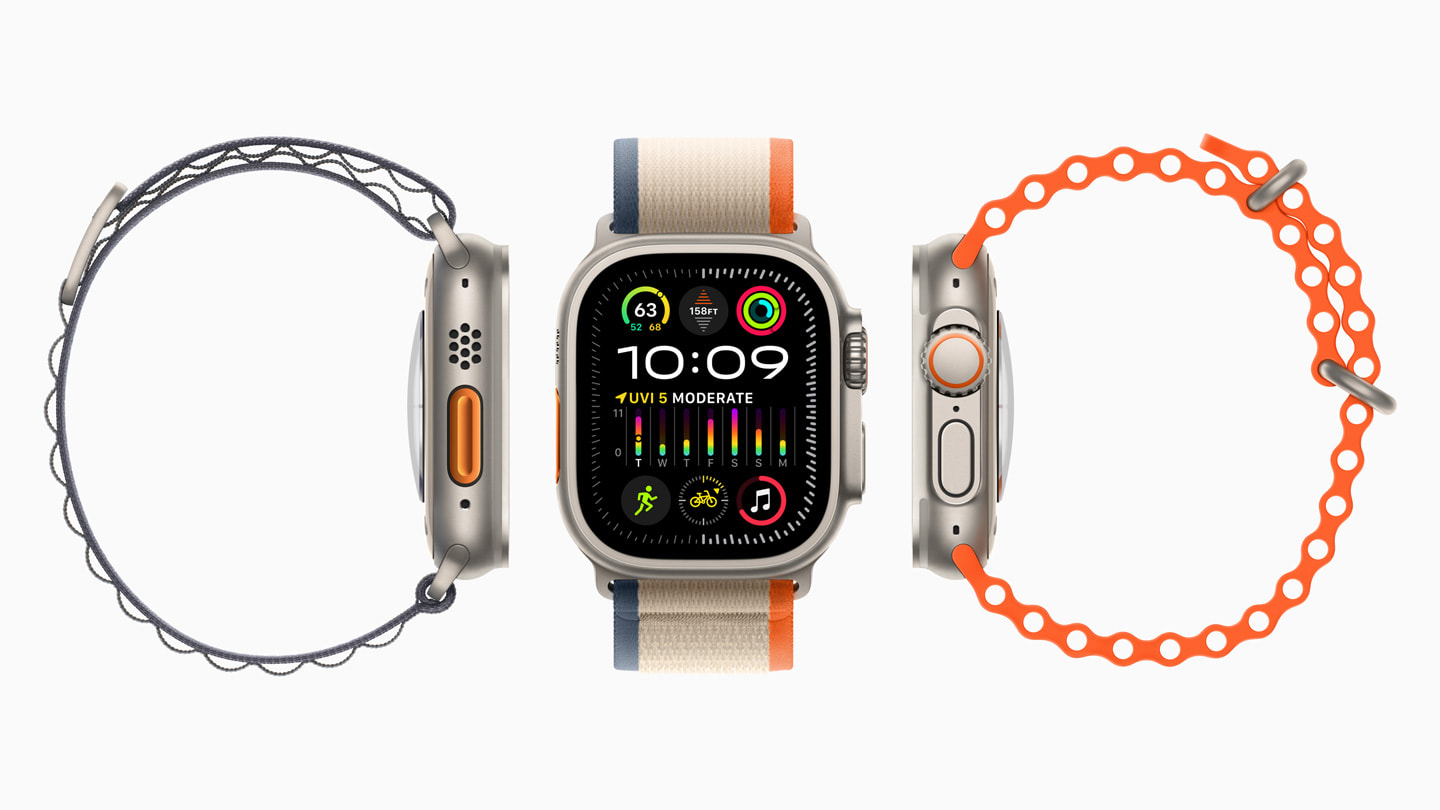
Discontinuations here aim at health-focused innovation, but older models lose out on future watchOS updates after 2027 or so.
📱 iPads: Three Tablets Shelved
- iPad Pro (M4 Chip) – The pro-grade tablet with OLED display and Apple Pencil Pro support was updated to M5 for enhanced creative tools.
- iPad Air (M2 Chip) – Lightweight and versatile, now M3-powered for better performance in apps like Final Cut Pro.
- iPad 10 – The entry-level iPad got an A16 upgrade, improving speed for education and casual use.
🎧 Other Accessories and Devices: Six More Farewells
- AirPods Pro 2 – Noise-cancelling earbuds replaced by Pro 3 with adaptive EQ and longer battery.
- Apple Vision Pro (M2 Chip) – The spatial computing headset upgraded to M5 for smoother AR experiences.
- MagSafe Charger (Qi 2) – Updated to Qi 2.2 for faster wireless charging.
- 30W USB-C Power Adapter – Succeeded by 40W dynamic adapter in select regions.
- Lightning to 3.5mm Audio Cable – Phased out for USB-C version amid port transition.
- MagSafe to MagSafe 2 Converter – No longer needed with modern chargers.
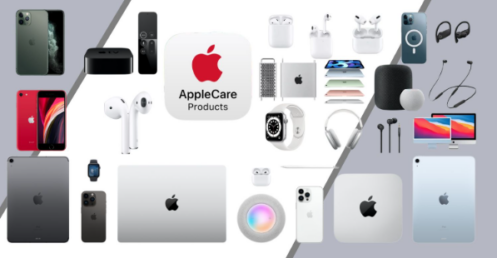
These accessory discontinuations support Apple’s ecosystem unification, reducing e-waste from outdated connectors.
Why So Many Discontinuations? Unpacking Apple’s Strategy
Apple’s 2025 moves aren’t random; they’re rooted in a philosophy of “less is more.” By discontinuing older models, Apple minimizes inventory costs, focuses R&D on fewer lines, and drives sales of new products with features like Apple Intelligence (AI suite) that require newer hardware.
For instance, the iPhone SE’s end marks a departure from budget compacts, as the iPhone 16e integrates SE spirit into a full-sized, affordable frame with modern specs.
Historically, Apple has always pruned its garden. Remember the 2016 headphone jack removal or the 2020 Intel Mac shift? 2025’s list echoes 2024’s purges, like the iPhone 13 and M1 Macs, but on a larger scale due to rapid chip advancements. This year, factors like supply chain efficiencies post-pandemic and competition from Android’s foldables played roles.
For users, pros include access to eco-friendlier devices—Apple claims newer models use more recycled materials—and extended support (up to 7 years of iOS updates). Cons? Forced upgrades can frustrate budget-conscious folks, and resale values plummet. Environmentally, while Apple promotes recycling via trade-ins, critics argue frequent discontinuations contribute to electronic waste, with millions of devices potentially landfilled annually.
Impact on Consumers and the Market
Imagine you’re a creative professional relying on a MacBook Air M3 for graphic design. Its discontinuation means scouting deals on remaining stock or jumping to M4, which offers 20% better efficiency but at a premium price. Similarly, iPhone 16 Pro owners face shorter software support windows, pushing them toward trade-ins.
Market-wise, this bolsters Apple’s dominance, with 2025 revenue projected to hit record highs from upgrades. Competitors like Samsung respond by extending support (e.g., 7 years for Galaxy S25), pressuring Apple. For developers, a streamlined lineup simplifies app optimization.
Looking ahead, 2026 might see more AR/VR focus, potentially discontinuing non-spatial devices. Rumors suggest an iPhone foldable, which could axe more traditional models.
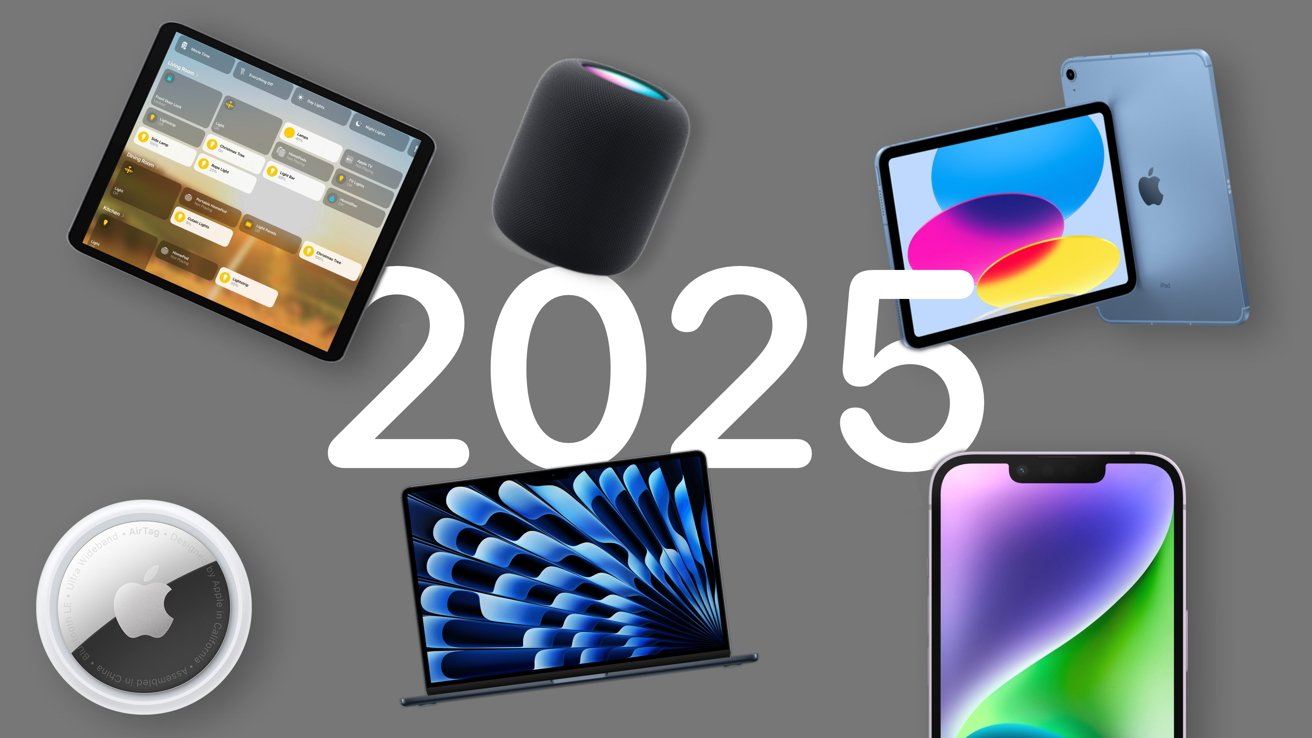
Lessons from Apple’s History of Bold Cuts
Apple’s discontinuation legacy began with Steve Jobs’ 1997 return, slashing 70% of products to focus on hits like the iMac. Fast-forward: 2014’s iPod Classic end, 2019’s Butterfly keyboard MacBooks, and 2023’s Lightning port phase-out. Each cut sparked backlash but ultimately propelled innovation—think how USB-C unified charging.
In 2025, this continues, with emphasis on silicon self-reliance. The M-series chips, starting with M1 in 2020, have tripled performance per watt, enabling these rapid updates.
What Should You Do If You Own a Discontinued Device?
- Check Support: Apple provides 5-7 years of updates; verify via Settings.
- Trade-In: Get credit toward new models—up to $600 for iPhone 16 Pro.
- Repair Options: Parts available for 5 years post-discontinuation.
- Alternatives: Explore refurbished Apple stores or third-party markets.
Conclusion: Embracing Change in the Apple Ecosystem
2025’s discontinuations, from the MacBook Air M3 to iPhone 16 Pro, mark a pivotal year for Apple, blending nostalgia with excitement for what’s next. While over 25 items vanish, they pave the way for a more integrated, powerful future. Whether you’re upgrading or holding on, remember: Apple’s ecosystem thrives on evolution. Stay tuned for 2026—rumors of AI-centric devices loom large. What are your thoughts on these changes? Share below!
Word count: 2,012