
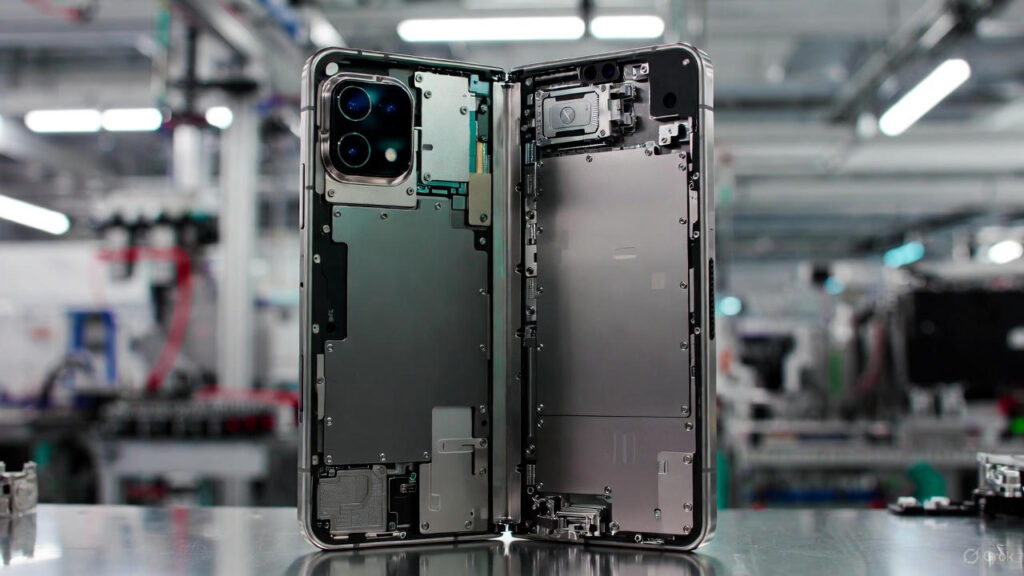
iPhone Fold: Navigating the Hype and Hurdles of Apple’s First Foldable Venture 🚀
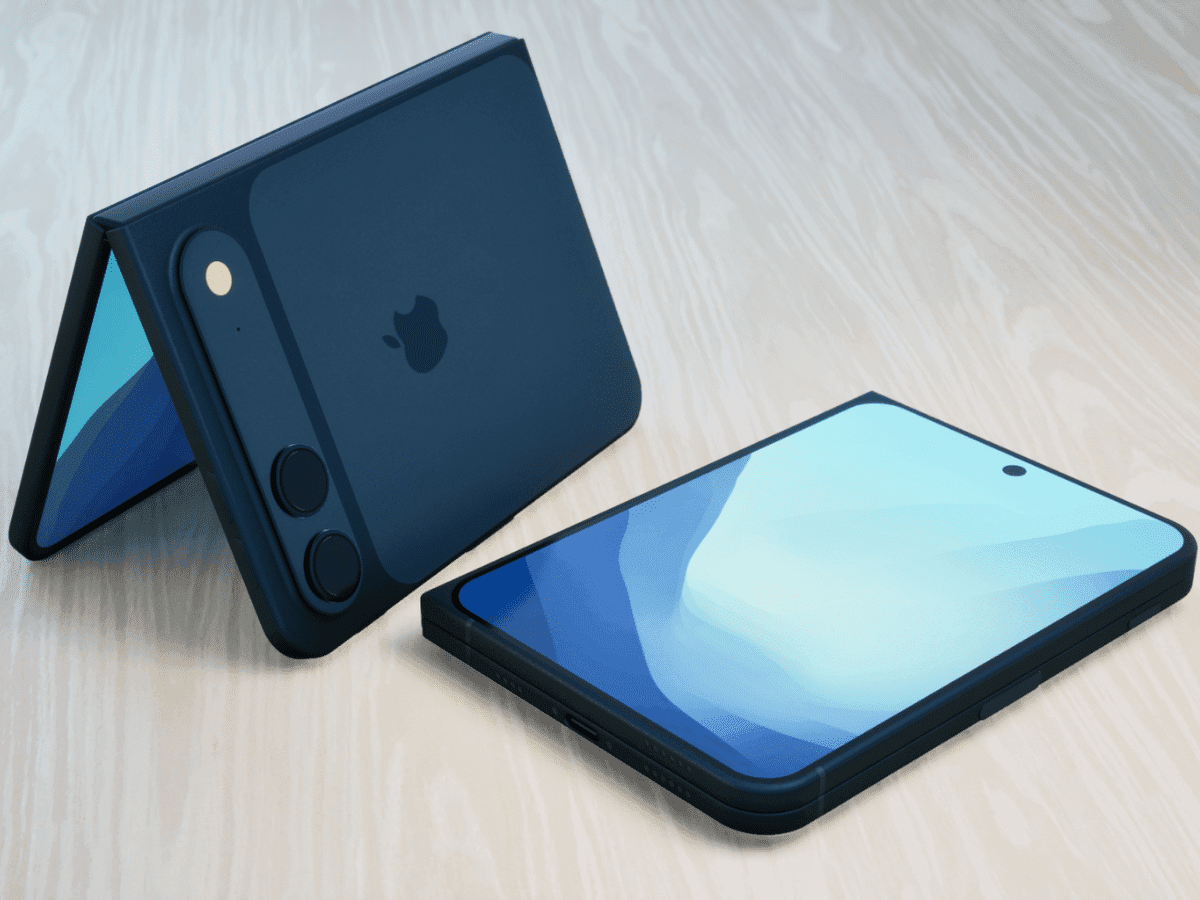
The Evolution of Foldable Smartphones: Setting the Stage 📜
To understand the significance of the iPhone Fold’s potential delays, we must first trace the roots of foldable technology. Foldables aren’t new; they hark back to the flip phones of the early 2000s, but the modern iteration began with Samsung’s Galaxy Fold in 2019. That device, despite initial teething problems like screen creases and durability issues, sparked a revolution. Today, the foldable market is booming, with projections indicating exponential growth. According to market research, the global foldable smartphone sector is expected to expand at a compound annual growth rate (CAGR) of over 25% through 2030, driven by advancements in display technology and consumer demand for multifunctional devices. 🌍📈
Samsung dominates this space with its Galaxy Z Fold and Flip series, holding about 60% market share. Competitors like Huawei, Google (with the Pixel Fold), and Motorola have also entered the fray, each pushing boundaries in form factor and functionality. These devices offer larger screens for productivity when unfolded, while maintaining portability when closed—ideal for multitasking professionals, gamers, and content creators. However, challenges persist: high prices (often exceeding $1,500), fragility concerns, and software optimization gaps have limited mainstream adoption. Enter Apple, a company renowned for entering markets late but redefining them. Think iPod, iPhone, iPad—Apple doesn’t just participate; it elevates.
But why has Apple waited so long? Insiders point to the company’s meticulous standards. Apple won’t release a product until it meets its rigorous quality benchmarks, avoiding the pitfalls that plagued early foldables. Reports from analysts like Ming-Chi Kuo highlight Apple’s focus on seamless integration with iOS, crease-minimizing displays, and robust hinges. This cautious approach has built hype, but as we’ll see, it’s also contributing to the supply woes. 🛠️
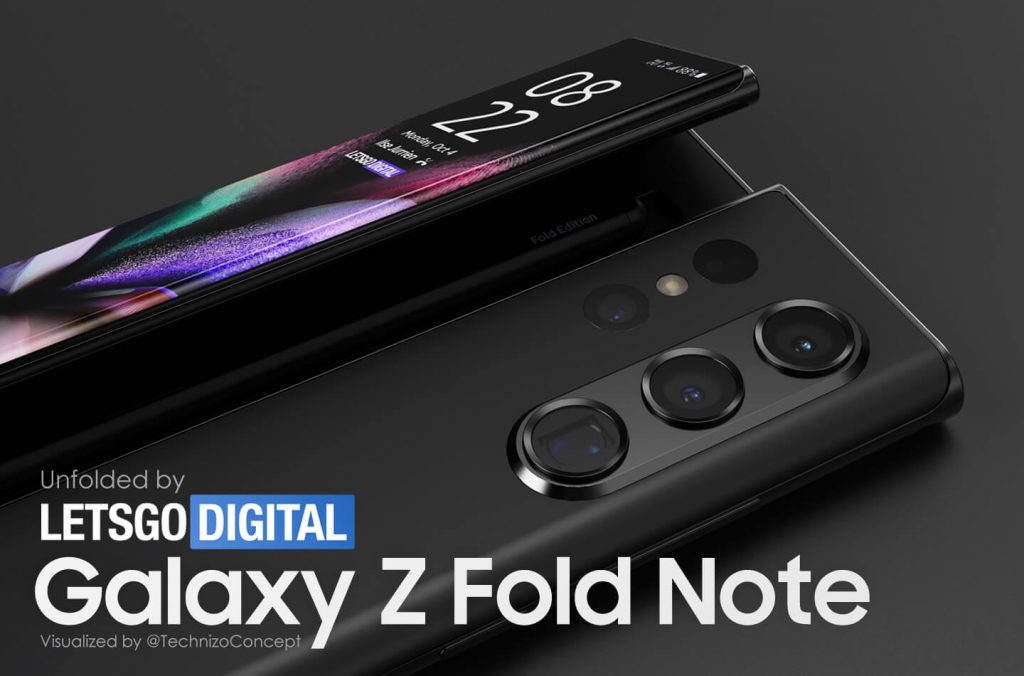
Apple’s Path to the Foldable Frontier: Rumors and Realities 🛤️
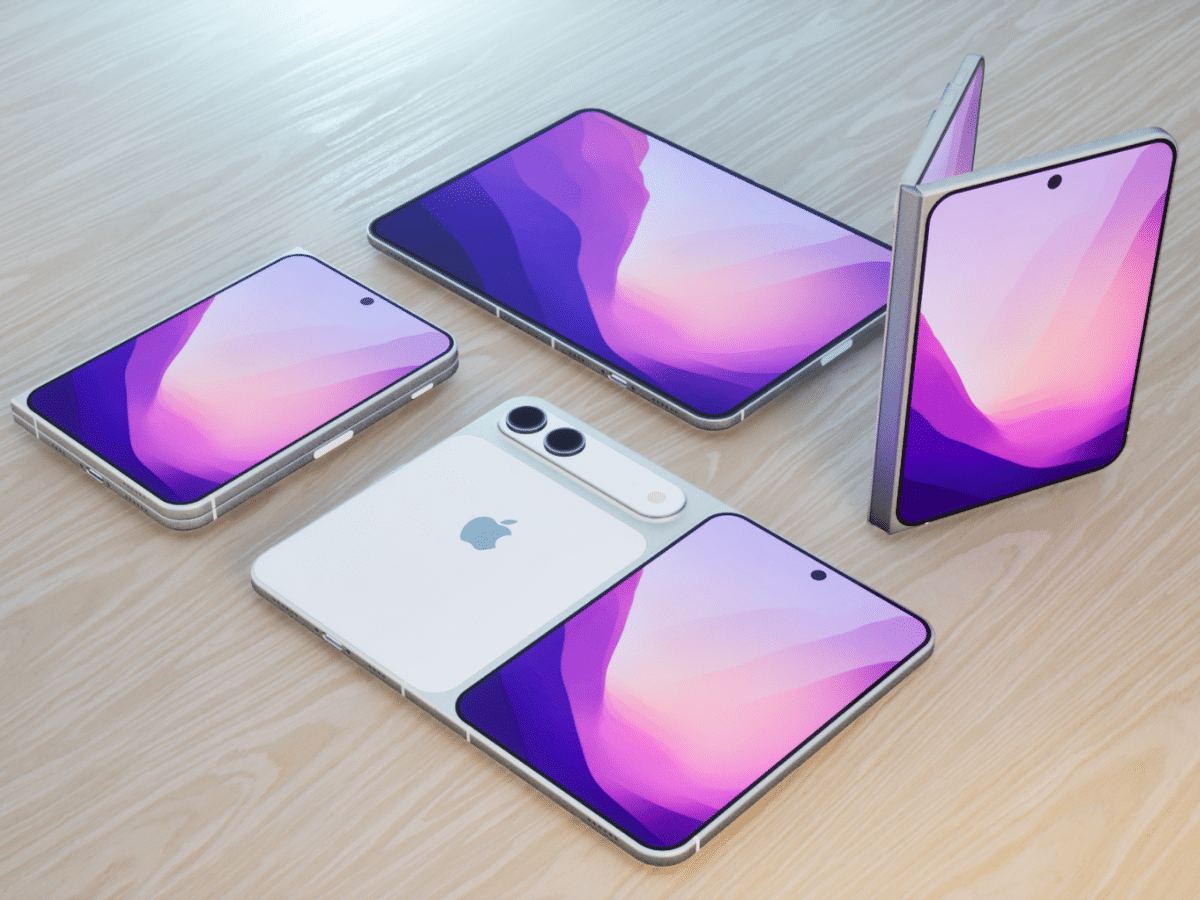
Apple’s flirtation with foldables dates back to patents filed as early as 2016, describing flexible displays and self-healing screens. Fast-forward to 2025, and whispers have turned into credible leaks. The iPhone Fold is rumored to adopt a book-style design, similar to the Galaxy Z Fold, rather than a clamshell flip like the Z Flip. Specifications floating in tech circles include a 7.6- to 7.8-inch inner OLED display for immersive viewing, paired with a 5.2- to 5.5-inch outer screen for quick glances. The device might feature a titanium chassis for lightweight durability, an under-display camera to eliminate notches, and a side-mounted Touch ID sensor for security. Powering it all could be the A20 Pro chipset, ensuring buttery-smooth performance with AI-enhanced features from Apple Intelligence. Pricing? Estimates range from $1,800 to $2,500, positioning it as a premium offering. 💰🔥
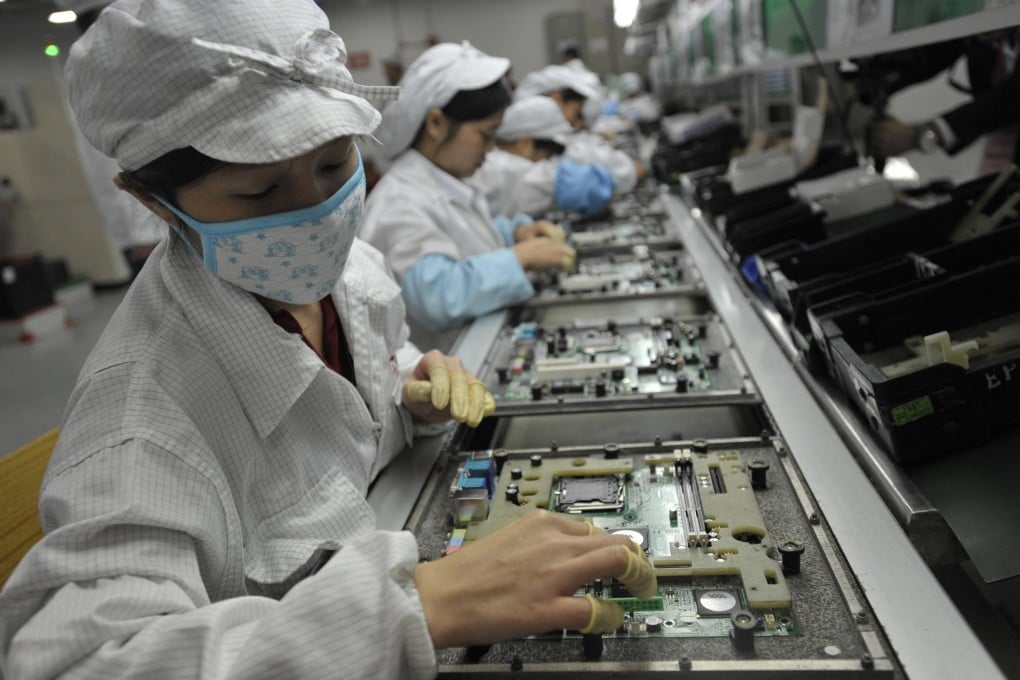
Production is reportedly handled by Foxconn, Apple’s long-time partner, with display panels sourced from Samsung Display and LG. These partnerships are crucial, as foldable screens require advanced manufacturing techniques to achieve thinness without compromising strength. Early prototypes have been tested internally, but scaling to mass production is where things get tricky. Analyst Ming-Chi Kuo, a trusted voice in Apple supply chain predictions, noted in a recent report that while the announcement is slated for the second half of 2026, “early-stage yield and ramp-up challenges” could hinder smooth shipments. This isn’t just speculation; it’s based on checks across multiple components in the supply ecosystem.
-xl.jpg)
Unpacking the Supply Delays: What’s Going Wrong? ⚠️
The core issue boils down to manufacturing complexities inherent to foldables. Unlike traditional slab phones, foldables involve intricate components: flexible OLED panels that must withstand thousands of folds without creasing visibly, advanced hinges that distribute stress evenly, and batteries that fit irregular shapes. Apple’s insistence on a “crease-less” display exacerbates this—current tech from suppliers like Samsung still shows minor creases, which doesn’t meet Cupertino’s standards. Yield rates, the percentage of defect-free units produced, are reportedly low in early stages, leading to wasted materials and slowed output.
Global supply chain disruptions play a role too. The COVID-19 aftermath, geopolitical tensions (e.g., U.S.-China trade issues), and raw material shortages for rare earth elements used in displays have created bottlenecks. Foxconn, based in China, faced similar challenges with iPhone 14 Pro production in 2022, resulting in millions of units short. For the iPhone Fold, Kuo estimates initial volumes might fall short of Apple’s 8-10 million unit target, with actual production “far below” that. This could mean long wait times, scalpers inflating prices, and frustrated customers echoing the PS5 launch debacle.
Moreover, Apple’s ecosystem integration adds layers. The device must seamlessly sync with Macs, iPads, and Watches, requiring custom software tweaks. Delays in optimizing iOS for foldables—think split-screen multitasking and adaptive UI—could compound hardware issues. It’s a perfect storm: high expectations meet real-world manufacturing realities. 🌪️

Reasons Behind the Delays: A Deeper Dive 🕵️♂️
Delving deeper, several factors contribute to these delays. First, technological immaturity: Foldable displays are still evolving. Samsung, a key supplier, has improved its Ultra Thin Glass (UTG) technology, but achieving Apple’s desired thinness (around 4.5-4.8mm unfolded) without fragility is challenging. Patents show Apple exploring self-healing polymers, but implementing them at scale takes time.
Second, supply chain diversification: Apple is reducing reliance on China amid tensions, shifting some production to India and Vietnam. However, these facilities lack the maturity for complex foldables, leading to ramp-up delays.
Third, quality control: Apple’s “zero-defect” philosophy means rigorous testing. Prototypes have failed durability tests, with screens breaking after days of use, as noted in earlier leaks. This echoes pauses in development reported in 2024.
Fourth, market timing: Launching in 2026 positions Apple against Samsung’s Z Fold 8 and Google’s Pixel Fold 2. Delays could cede ground, but rushing risks reputation damage—like Samsung’s initial Fold recall.
Finally, economic factors: Inflation and component costs (e.g., OLED panels up 20% in 2025) strain budgets. Kuo warns of “severe shortages,” with smooth shipments delayed until 2027. ⏳
Impact on Consumers, Market, and Apple 📉
For consumers, delays mean prolonged waits and higher secondary market prices. Early adopters might turn to alternatives, eroding Apple’s aura of invincibility. Market-wise, foldables represent a $50 billion opportunity by 2030. Apple’s entry could boost adoption to 100 million units annually, but shortages might stunt growth.
Competitors benefit: Samsung could solidify dominance, while Huawei gains in Asia. Google and OnePlus might attract switchers with more available devices. For Apple, this tests resilience—yet, history shows Apple rebounds.
The ripple effect? Slower innovation ecosystem-wide if Apple dominates supply chains. 😟
Exploring Alternatives: What to Do While Waiting? 🔄
If the iPhone Fold eludes you, options abound. Samsung’s Galaxy Z Fold 6 offers a refined experience with S Pen support and seven years of updates. Google’s Pixel 9 Pro Fold excels in AI photography. For flips, the Motorola Razr+ provides affordability and fun designs.
Within Apple, the iPhone 17 series (rumored for 2025) might include slim models bridging to foldables. Or consider iPads for larger screens. Patience could pay off. 🕰️
What Can Apple Do to Mitigate? 🛡️
Apple could accelerate supplier diversification, invest in R&D for better yields, or launch in phases—limited regions first. Transparent communication, like Tim Cook’s updates, builds trust. Partnerships with more suppliers might help. Ultimately, leveraging its cash reserve for acquisitions or tech buys could speed things up.

Conclusion: A Foldable Future Worth the Wait? 🌟
The iPhone Fold represents Apple’s bold step into uncharted territory, promising to blend innovation with elegance. Yet, major supply delays post-2026 launch—driven by production challenges, yield issues, and chain disruptions—pose significant hurdles. As Kuo and others warn, shortages could linger into 2027, testing fan loyalty. Still, Apple’s track record suggests triumph. This isn’t just a device; it’s a testament to perseverance in tech evolution. Stay tuned—the foldable era is unfolding, delays and all. What are your thoughts? 📝