
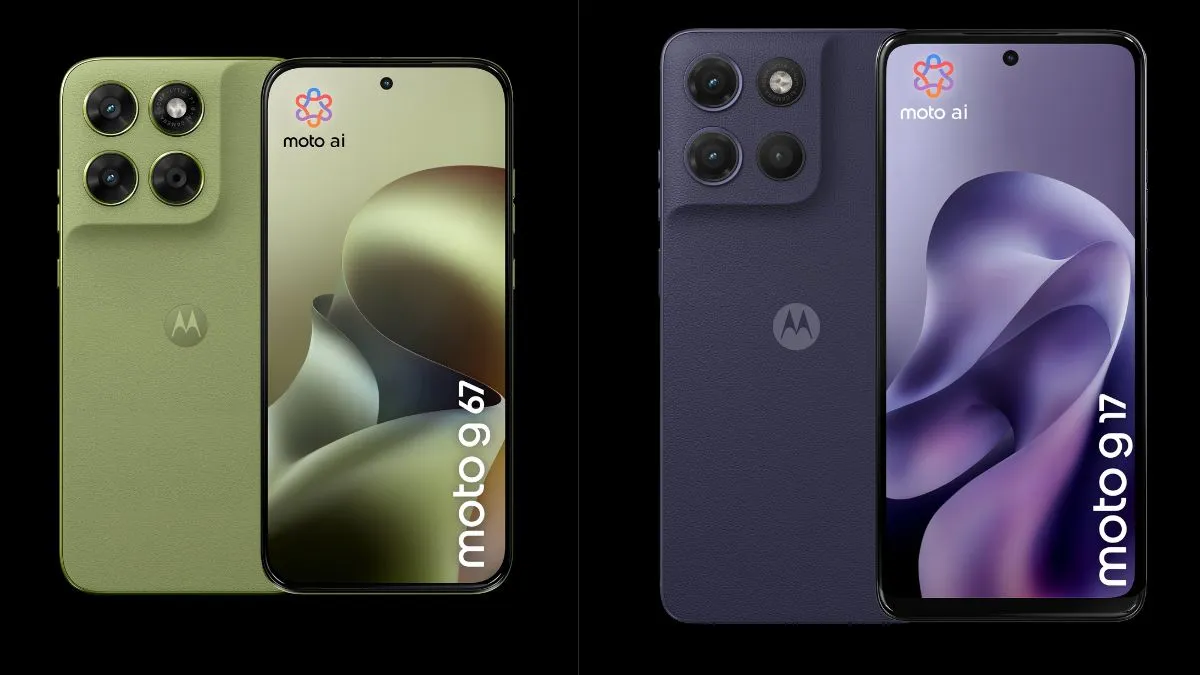
Motorola’s G-series keeps getting stronger: the newly launched Moto G17 (and G17 Power), Moto G67, and Moto G77 bring refreshed designs, bigger batteries, and camera bumps that make the mid-range fight a lot more interesting. In this in-depth, SEO-optimized comparison you’ll get clear specs, price ranges, real-world tradeoffs and a buying recommendation so you can pick the right Moto G for your budget and needs.
- Best battery & value for heavy users: Moto G17 Power (big battery, long endurance).
- Best camera (main sensor): Moto G77 — first Moto G with a 108MP main camera (impressive primary shooter in this segment).
- Balanced pick for everyday use: Moto G67 — AMOLED display, solid cameras, and a lower price point make it a great mid-range option.
1. What’s new this generation?
Motorola focused on three things in these launches:
- Bigger, better displays (AMOLED on the G67/G77, large panels across the range).
- Camera upgrades—including a 108MP option on the G77 and upgraded Sony LYTIA sensors on the G67/G17 family.
- Battery endurance—Power variants and larger cells to keep phones alive longer between charges.
2. Detailed specs snapshot (headline numbers)
Note: specs may vary slightly by region and variant (RAM/storage). I’m listing the most commonly reported configurations.
- Display
- G17 / G17 Power: Large IPS/LCD variants (value-oriented).
- G67 / G77: 6.8-inch Extreme AMOLED panels — smooth, bright and better contrast for streaming and gaming.
- Chipset
- G17: MediaTek Helio (value Helio family for efficiency).
- G67: MediaTek Dimensity 6300 (solid mid-range performer).
- G77: MediaTek Dimensity 6400 (step up for better sustained performance).
- Cameras
- G17: 50MP main with Sony LYTIA tech (improved low-light via Quad Pixel techniques).
- G67: 50MP Sony LYTIA 600 main + ultrawide; 32MP selfie.
- G77: 108MP main sensor (first Moto G to ship with a 108MP shooter) + capable selfie cam.
- Battery & Charging
- Expect 5,200–7,000 mAh options across different variants (Power models push the large-cell narrative). Charging speeds vary but are in the typical mid-range 30–68W window depending on the model.
- Software
- Android 16 / Android 15 on some power variants depending on region — Motorola’s near-stock experience with modest custom features.
- Price (indicative)
- G17: Value segment (sub-€200/₹ price varies by market).
- G67: Around £200 / mid-segment pricing (market dependent).
- G77: Higher mid-range, listed in some retailers around ~€294.90 for higher RAM/256GB SKUs — region pricing will vary.
3. Screen & media: which is best for watching and gaming?
If you value rich colors and deep blacks for streaming and gaming, the G67 and G77’s AMOLED screens are the clear winners. They’ll show better HDR-like contrast and punchier colors than the LCD options on the G17 family. For frame-rate sensitive gaming the chipset matters too — the Dimensity 6400 in the G77 gives a smoother sustained experience than the entry Helio option in the G17.
Winner (display & gaming): G77 (tie with G67 for display, G77 edges out in sustained performance).
4. Cameras: day-to-day vs zoom-capable photography
Motorola’s camera strategy here is two-fold:
- G77: Big 108MP sensor — shoots high-resolution photos and does well when you need extra cropping or detail. Expect good daylight shots and improved digital zoom results compared to a 50MP sensor.
- G67 / G17: Rely on Sony LYTIA 50MP sensors with Quad Pixel tech — excellent for low-light and reliable everyday photos at a lower price point. The G67’s 32MP selfie camera is a notable plus.
Winner (camera for most users): G77 if you want detail/zoom; G67 for balanced quality at a lower price.
5. Battery & real-world endurance
Motorola continues to push large batteries in this lineup. If real endurance is your top priority, go for the Power variants or the higher-capacity models (some listings point to 5,200–7,000 mAh options). These phones are designed to easily last a full day and often stretch into day-and-a-half territory with light use.
Winner (battery life): G17 Power / G67 Power variants (depending on which exact model you pick).
6. Performance & everyday use
- Light users (social, web, streaming): G17 handles everything fine for light use.
- Moderate users (multitasking, casual gaming): G67’s Dimensity 6300 is a sweet spot.
- Power users (heavy gaming, long sessions): G77 with Dimensity 6400 provides better thermal stability and frame rates for extended play.
7. Design, build and extras
Motorola keeps its clean, ergonomic build and often adds water-resistance IP ratings (IP63/IP64 on some models) and vegan-leather or textured finishes in specific variants. Expect similar Motorola software niceties (Moto Actions, near-stock Android) and competitive Pantone-inspired colorways on the G67.
8. Price-to-feature verdict
- Best budget buy: Moto G17 — if you want a solid usable phone without spending much.
- Best balanced mid-range: Moto G67 — AMOLED screen, reliable camera, and good battery for a compelling mid-range package.
- Best for photos & power users: Moto G77 — 108MP camera and stronger chipset justify the higher ask if you want more performance and camera flexibility.
Who should pick which phone? (Use cases)
- YouTube viewers & streamers on a budget: G67 — great screen and selfies for vlogging and streaming apps.
- Mobile photographers who crop/zoom often: G77 — 108MP main lets you crop heavily while retaining detail.
- Battery-first users / field workers: G17 Power or other Power models — huge cells and conservative chipsets make them endurance champions.
Final recommendation
If you want the best overall mid-range experience without overpaying, the Moto G67 strikes the best balance between display, camera and price. If photography/detail and a little extra performance matter, step up to the G77. For pure battery endurance and value, the G17 Power family is the pick.
Quick buying checklist
- Decide: Display quality (AMOLED) vs battery life.
- Pick storage/RAM variant based on usage (8GB/128GB recommended for gamers).
- Look for local offers and retailer pricing — launch prices can vary by market.
Faq
1. How to Relief Tooth Pain for Kids?
Tooth pain in children can come from cavities, gum irritation, teething, injury, or sensitivity. To relieve tooth pain safely at home, start with gentle remedies: encourage your child to rinse their mouth with warm salt water (½ teaspoon of salt in a cup of warm water) to reduce swelling and clean the area. You can also apply a cold compress on the outside of the cheek for 10–15 minutes to dull pain and soothe inflammation. If pain persists, age-appropriate over-the-counter pain relievers (such as acetaminophen or ibuprofen) can help — but always follow the doctor’s advice and dosage instructions for children.
Avoid putting strong substances like clove oil directly on the gums unless recommended by a dentist. If the pain lasts more than a day, is severe, or is accompanied by fever, swelling, bleeding, or difficulty eating, see a dentist promptly — persistent tooth pain in kids often needs professional care to treat cavities, infections, or other dental issues. Good oral hygiene (brushing twice a day with fluoride toothpaste and flossing) and regular dental checkups can help prevent many causes of tooth pain.
2. What is the price of Moto G 2025 in India?
The Motorola Moto G 5G (often referred to in listings as a 2025 Moto G series model) is available in India with prices starting around ₹12,199 for standard configurations. This price varies depending on storage options, retailer offers, and ongoing promotions.
Motorola’s 2025 G lineup phones generally focus on good battery life, reliable performance with mid-range chipsets, and large displays — making them solid choices for everyday smartphone use without a premium price tag.
3. What is the price of Moto G73 in India?
The Motorola G73 5G is a popular mid-range phone in India with 8 GB RAM and 128 GB storage, and refurbished units are available from around ₹13,999. Official new retail prices for this model typically range higher (around ₹18,000–₹21,999), depending on the seller and current market offers.
The Moto G73 5G stands out with a 50 MP dual rear camera, 120 Hz FHD+ display, 5000 mAh battery, and smooth performance thanks to its MediaTek Dimensity 930 chipset, making it a strong contender in the mid-range phone segment.
4. Which is better, Moto E or Moto G?
Moto E and Moto G are two smartphone series from Motorola aimed at different user needs:
- Moto E series is built as an entry-level or budget lineup, offering essential smartphone features like basic cameras, sufficient performance for light apps, and good battery life — all at very affordable prices.
- Moto G series sits above the E lineup, delivering better performance, higher quality displays, stronger cameras, larger batteries, and more premium features overall. G series phones often come with faster processors, better storage options, and a smoother user experience.
In simple terms, Moto G is generally better than Moto E if your priority is stronger performance, better cameras, and an overall more capable smartphone. Moto E is best if your main goal is a very affordable, no-frills device for basic everyday use.
5. Is the Moto G7 a good phone?
The Moto G7 was a well-liked budget smartphone when it launched, offering a solid mix of performance and features for its price at the time — including a decent size display, respectable cameras, and reliable battery life.
However, it was released in 2019, so in today’s market it’s quite outdated compared to newer phones. The older Snapdragon processor and dated software mean its performance won’t match newer models, and battery life may not hold up as well. If you’re comparing phones in 2025, modern Moto G series devices like the Moto G73 offer faster performance, better cameras, and newer Android versions.
So yes — the Moto G7 was a good phone for its time, but for most users today, newer options will provide a much better experience.