
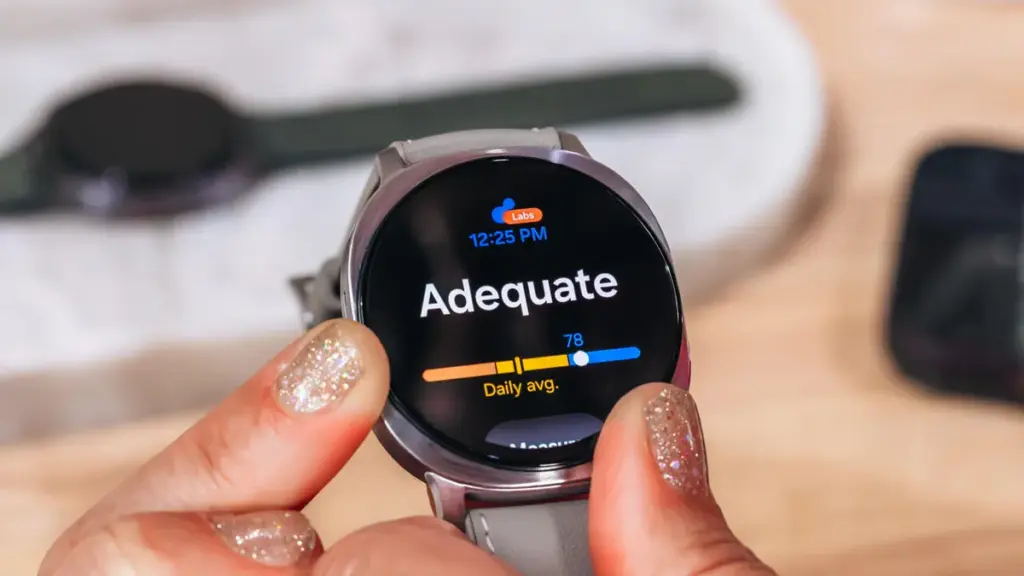
Samsung’s Brain Health Feature: Pioneering Ground Apple Hasn’t Touched Yet
Introduction: A New Era in Wearable Health Monitoring
In the ever-evolving landscape of wearable technology, Samsung is poised to redefine how we approach cognitive wellness with its groundbreaking Brain Health feature. Set to debut at CES 2026, this innovation within the Samsung Health app promises to detect early signs of dementia and cognitive decline—areas where competitors like Apple have yet to venture deeply. As we stand on the cusp of 2026, with health tech advancing at breakneck speed, Samsung’s move highlights a shift from physical fitness tracking to holistic brain health surveillance. This isn’t just about counting steps or monitoring heart rates; it’s about safeguarding the mind, our most vital asset.
Imagine a world where your smartwatch doesn’t just tell you to stand up after sitting too long but alerts you or your loved ones to subtle changes in your cognitive function. Samsung’s Brain Health feature does exactly that, leveraging everyday data from voice patterns, gait analysis, and sleep metrics to spot potential issues early. In contrast, Apple’s ecosystem, while robust in mental health tools like mood logging and anxiety assessments, stops short of this proactive, neurological monitoring. This gap represents uncharted territory that Samsung is boldly exploring, potentially setting a new standard for preventive healthcare in wearables.
In this comprehensive blog post, we’ll dive deep into the intricacies of Samsung’s Brain Health feature, explore its mechanics, compare it head-to-head with Apple’s offerings, and discuss the broader implications for users, healthcare, and the tech industry. We’ll also touch on the science behind brain health, real-world applications, and what the future might hold. Buckle up—this is more than a feature breakdown; it’s a glimpse into how technology could transform aging and mental acuity. 💡
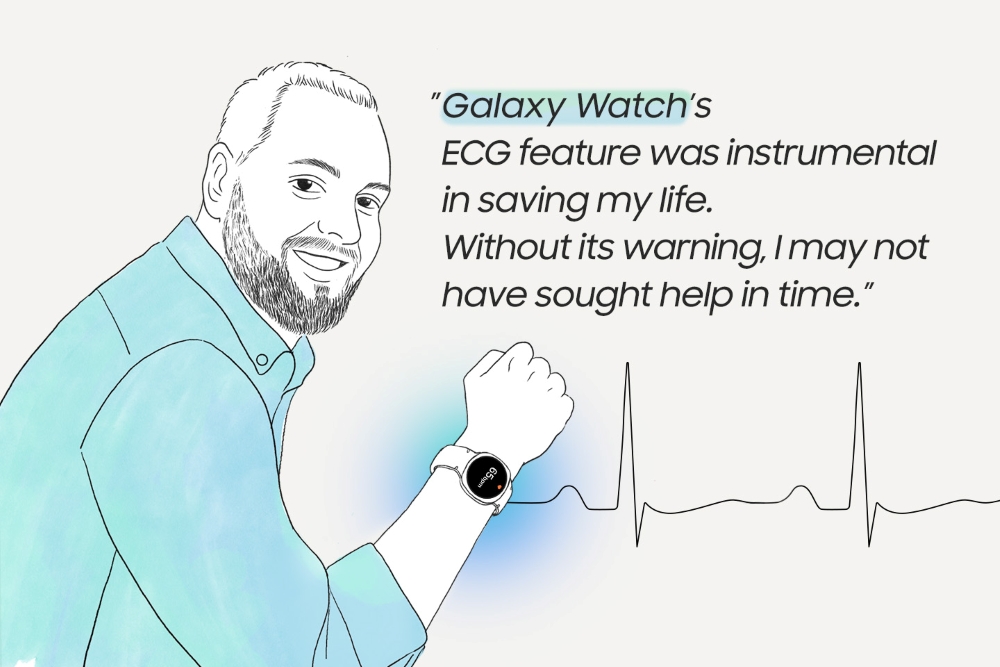

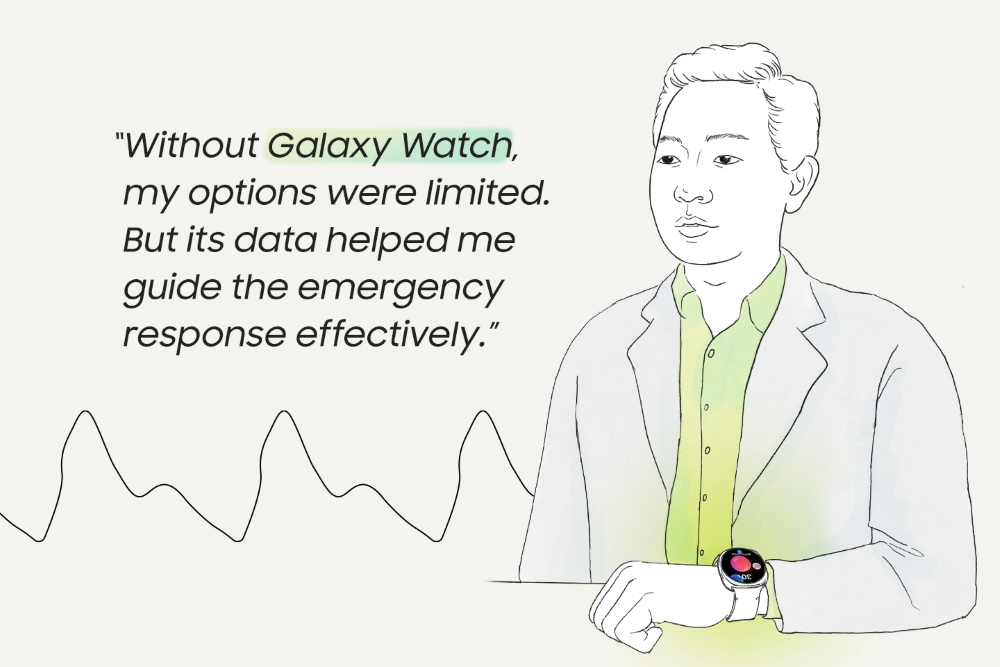
The Genesis of Samsung’s Brain Health: From Fitness to Cognitive Care
To understand the significance of Brain Health, let’s rewind a bit. Samsung Health has long been a cornerstone of the Galaxy ecosystem, integrating data from devices like the Galaxy Watch and Galaxy Ring to track sleep, exercise, heart rate, and more. Launched initially as a fitness app, it has evolved into a comprehensive health platform, now boasting features like blood pressure monitoring and ECG readings. But Brain Health takes it a step further, addressing a growing global concern: cognitive decline.
Dementia affects over 55 million people worldwide, with numbers projected to triple by 2050, according to the World Health Organization. Early detection is key, as interventions can slow progression and improve quality of life. Samsung’s feature aims to democratize this by using AI-driven analysis of non-invasive, daily data points. Reports indicate that Brain Health will monitor voice inflections for signs of slurring or hesitation, gait for irregularities that might indicate neurological issues, and sleep patterns for disruptions linked to cognitive impairment. In emergencies, it can alert guardians, adding a layer of safety for elderly users or those at risk.
This isn’t speculative fiction; it’s built on real science. Voice analysis, for instance, draws from studies showing that speech changes can precede dementia symptoms by years. Gait monitoring uses accelerometers in wearables to detect subtle balance shifts, while sleep tracking correlates with brain health, as poor sleep is a known risk factor for Alzheimer’s. Samsung’s integration of these into a seamless app experience positions it as a pioneer, especially since it’s reportedly ready for rollout soon.
How It Works: A Step-by-Step Breakdown
Let’s demystify the tech. Upon enabling Brain Health in the Samsung Health app, users connect their Galaxy Watch or Ring for continuous data collection. Here’s how it operates:
- Voice Monitoring: The app analyzes speech during calls or voice commands. Algorithms look for patterns like slowed speech, word-finding difficulties, or tonal shifts—indicators backed by research from institutions like the Mayo Clinic.
- Gait Analysis: Using built-in sensors, the device tracks walking patterns. Changes in stride length, speed, or symmetry could flag early Parkinson’s or dementia risks. This is passive, happening in the background without user intervention.
- Sleep Tracking: Enhanced by Galaxy devices, it monitors REM cycles, interruptions, and overall quality. Poor sleep hygiene is linked to amyloid plaque buildup in the brain, a hallmark of Alzheimer’s.
AI processes this data locally for privacy, then provides insights via the app. Users get personalized reports, such as “Your gait stability has improved by 5% this month” or warnings like “Unusual voice patterns detected—consult a doctor.” In critical cases, it sends alerts to designated contacts.
Privacy is paramount: Data is encrypted, and users control sharing. Samsung emphasizes ethical AI, with opt-in features and transparent algorithms. This contrasts with broader health apps that might aggregate data without clear user benefits.
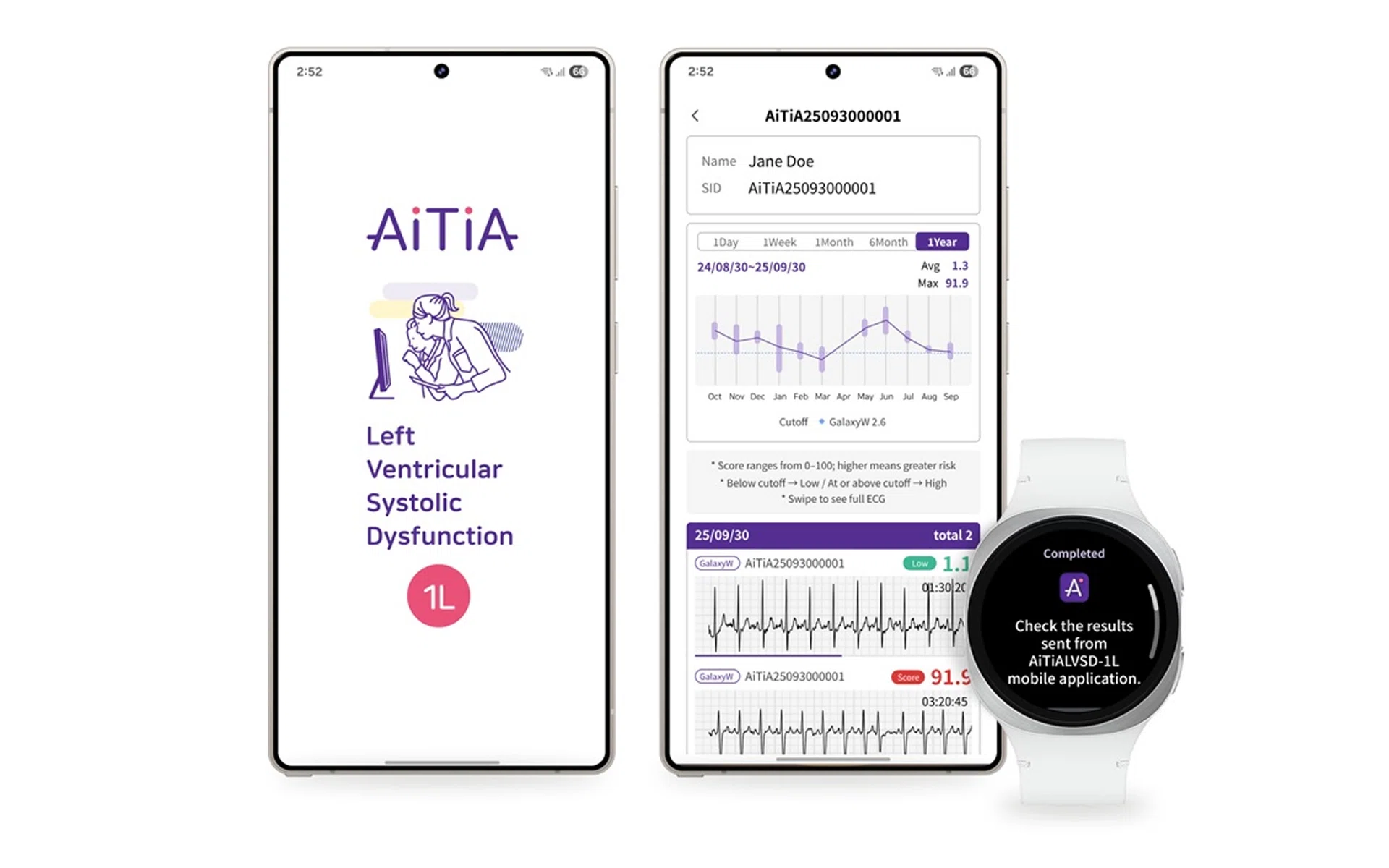
Apple’s Mental Health Arsenal: Strong, But Not Brain-Specific
Apple has made strides in mental wellness since iOS 17 and watchOS updates. The Health app and Apple Watch offer tools like:
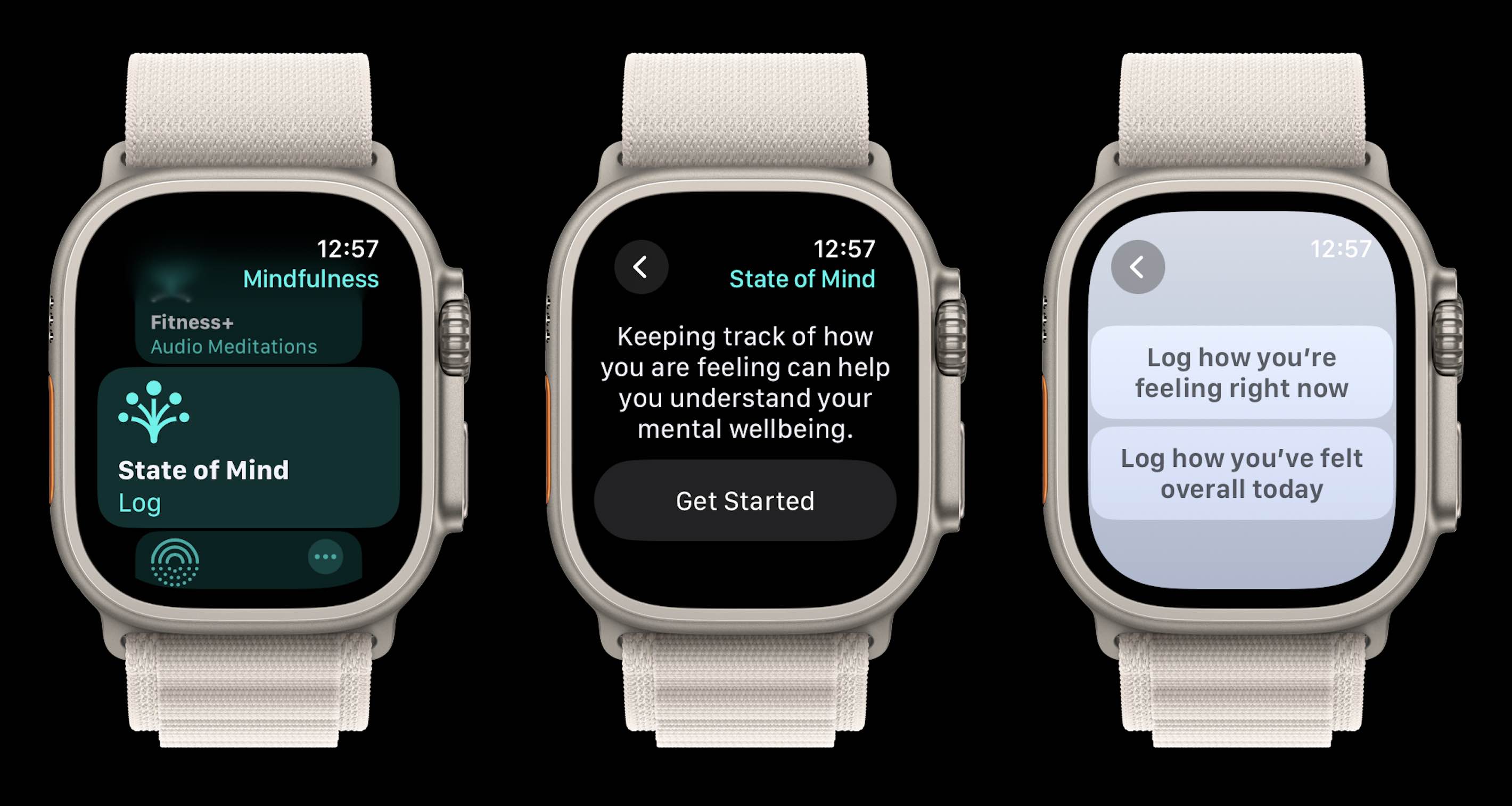
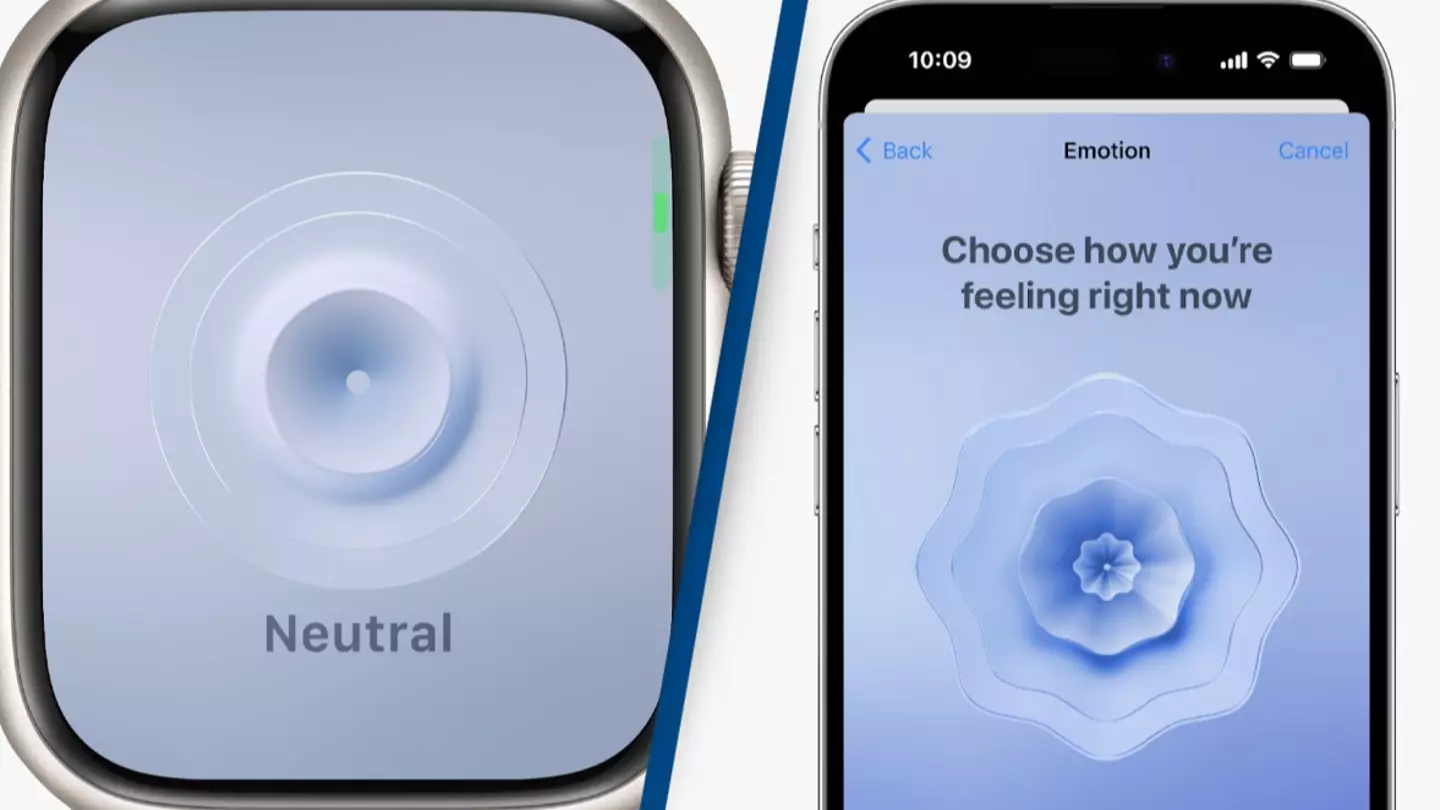
- State of Mind Logging: Users log emotions and moods via guided prompts, tracking patterns over time.
- Mental Health Assessments: Built-in questionnaires for depression and anxiety risk, shareable with healthcare providers.
- Mindfulness and Meditations: The Mindfulness app provides breathing exercises and guided sessions to reduce stress.
- Sleep Insights: Tracks sleep stages, but focuses more on duration and consistency rather than neurological links.
These are excellent for reactive mental health management—helping users reflect on their emotional state and seek help when needed. However, Apple lacks proactive brain health monitoring. There’s no voice or gait analysis for cognitive decline, no dementia-specific alerts. Apple’s features are more about mood and stress, not the neurological underpinnings of conditions like Alzheimer’s.
This is where Samsung shines. While Apple excels in user-friendly interfaces and ecosystem integration, Samsung’s Brain Health ventures into predictive neurology, potentially saving lives through early intervention. For instance, if an Apple user notices mood dips, they might manually assess depression risk, but Samsung automates detection of underlying brain changes. It’s like comparing a diary to a vigilant guardian. 🚀
| Feature | Samsung Brain Health | Apple Mental Health Tools |
|---|---|---|
| Proactive Monitoring | Yes (Voice, Gait, Sleep for Dementia) | No (Reactive Logging) |
| Emergency Alerts | Yes, to Guardians | No |
| Mood Tracking | Integrated with Overall Health | Yes, Detailed Logs |
| Neurological Focus | High (Cognitive Decline) | Low (Emotional State) |
Why This Matters: Benefits for Users and Society
The implications are profound. For individuals, early dementia detection could mean years of preserved independence. Consider a 65-year-old using a Galaxy Watch: Subtle gait changes prompt a doctor’s visit, leading to lifestyle adjustments that delay onset. Families gain peace of mind with alerts, reducing caregiver burden.
On a societal level, this could ease healthcare strains. Preventive tech reduces hospital visits, with studies showing early interventions cut costs by up to 30%. Samsung’s feature aligns with global initiatives like the WHO’s brain health campaigns, making advanced monitoring accessible via affordable wearables.
Critics might argue about accuracy—false positives could cause unnecessary anxiety. Samsung counters this with rigorous testing and AI refinements, drawing from collaborations with medical experts. It’s not a diagnostic tool but a screening aid, encouraging professional consultation.
Moreover, this pushes the industry forward. Apple might respond with similar features in future Watch iterations, fostering competition that benefits consumers. Imagine hybrid systems where Samsung’s brain focus complements Apple’s emotional insights.
The Science Behind Brain Health Monitoring
Delving deeper, let’s explore the research foundation. Voice analysis stems from projects like the Framingham Heart Study, which linked speech patterns to cognitive health. AI models trained on vast datasets can detect anomalies with 80-90% accuracy in lab settings.
Gait studies from universities like Stanford show that walking metrics predict falls and dementia risk. Wearables amplify this by providing continuous data, unlike sporadic clinical tests.
Sleep’s role is well-documented: Chronic disruptions increase beta-amyloid levels, per NIH research. Samsung’s advanced sensors, like those in the Galaxy Ring, offer granular insights beyond basic tracking.
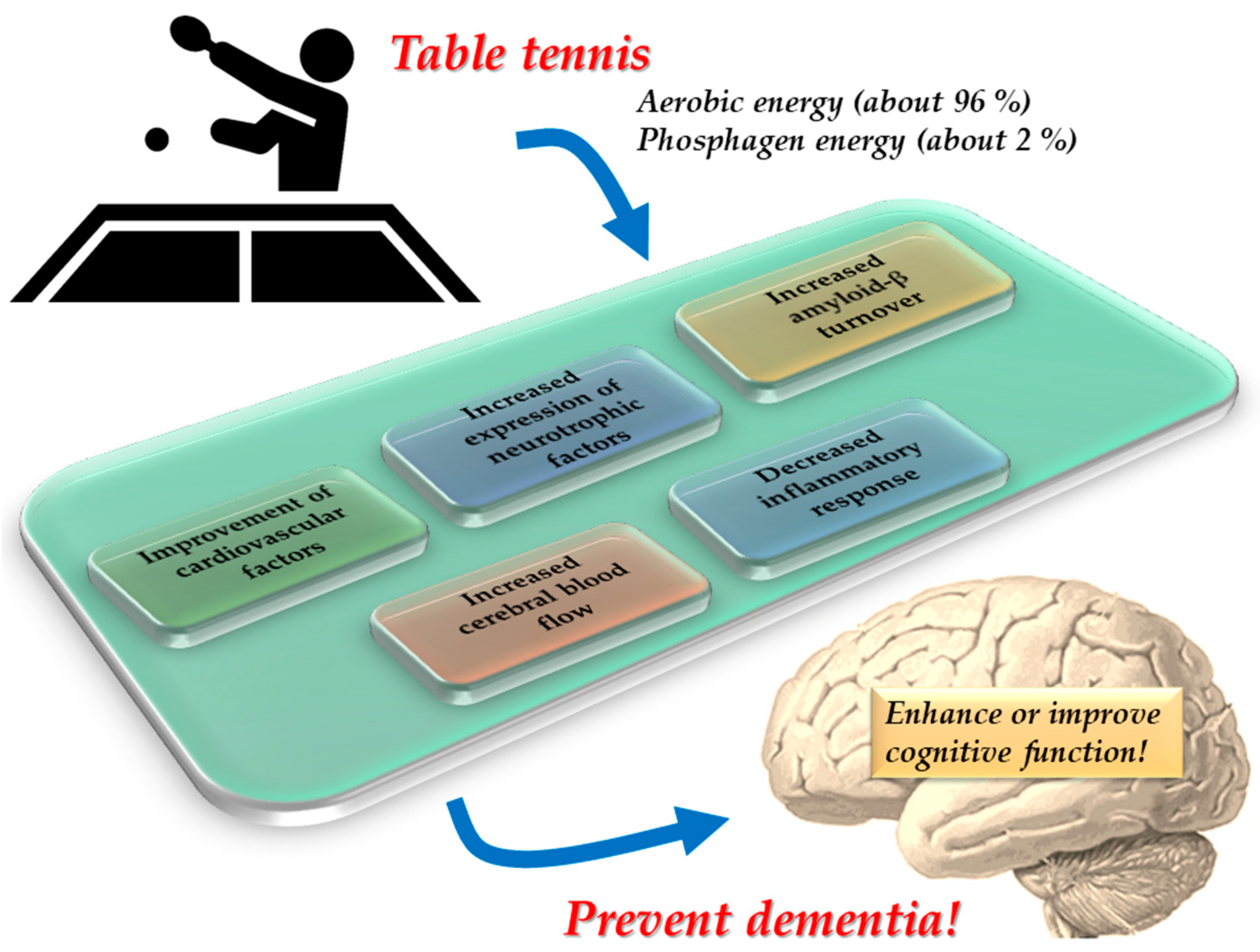
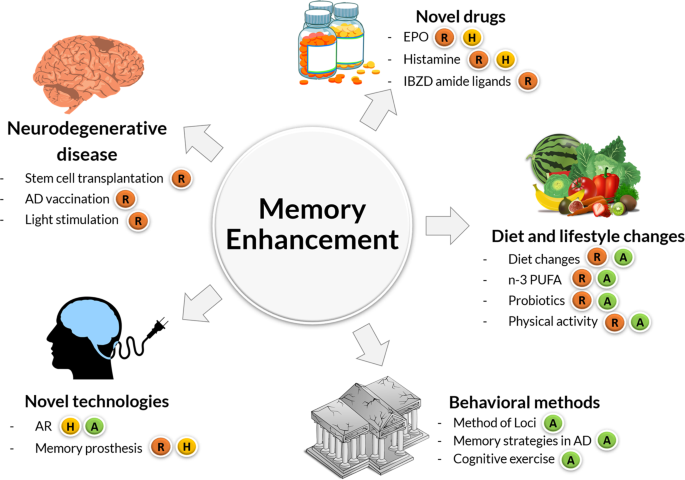
Integrating these, Samsung uses machine learning to create a “brain health score,” similar to fitness metrics but for cognition. Users might see tips like “Incorporate puzzles to boost neural activity” or “Optimize sleep for better memory retention.”
Potential Drawbacks and Ethical Considerations
No innovation is flawless. Privacy concerns loom large—voice data is sensitive. Samsung assures edge computing minimizes cloud reliance, but hacks remain a risk. Ethical AI use is crucial: Bias in algorithms could disadvantage certain demographics.
Accessibility is another issue. While Galaxy devices are widespread, not everyone owns one. Samsung could expand compatibility, perhaps via partnerships.
Compared to Apple, whose closed ecosystem limits third-party integration, Samsung’s Android openness might allow broader adoption. Yet, Apple’s privacy-first approach sets a high bar.
Real-World Applications and User Stories
Picture Sarah, a 70-year-old retiree. Her Galaxy Watch detects irregular sleep and voice hesitations. An alert prompts a check-up, revealing mild cognitive impairment. With therapy and lifestyle changes, she maintains her hobbies longer.
Or Tom, caring for his father. Brain Health notifications allow remote monitoring, easing worries during travel.
These aren’t hypotheticals; similar tech in research pilots has shown promise. Samsung’s mass-market rollout could scale this impact.
Future Horizons: What’s Next for Brain Health Tech?
Looking ahead, Samsung might enhance Brain Health with EEG-like sensors or AR integrations for cognitive exercises. Collaborations with pharma companies could link data to personalized treatments.
Apple, not one to lag, could introduce brain metrics in watchOS 13 or beyond, perhaps via advanced neural networks. The rivalry could spur innovations like integrated VR therapy or AI coaches.
Broader trends include multimodal AI, combining wearables with home devices for comprehensive monitoring. Regulatory bodies like the FDA will play key roles in validating these as medical tools.
In conclusion, Samsung’s Brain Health feature isn’t just an app update—it’s a paradigm shift, covering neurological ground Apple hasn’t touched. By blending cutting-edge AI with user-centric design, it empowers proactive health management. As we enter 2026, this could mark the dawn of “smart aging,” where technology preserves not just bodies, but minds. Stay tuned for CES revelations; the future of brain health is here. 🧠💪
Word count: 2,156